
20 JAN 2026
 5 MIN READ
Seasonal maintenance

As the seasons change, so do your property maintenance needs. By keeping your property in good condition year-round, you can tackle any minor issues before they snowball into something more costly!
To help, we’ve pulled together a checklist for all your maintenance needs as the seasons change.
Spring maintenance
Spring is the perfect time to refresh your property after winter, and it’s a great time to check how your garden was affected during the colder months.
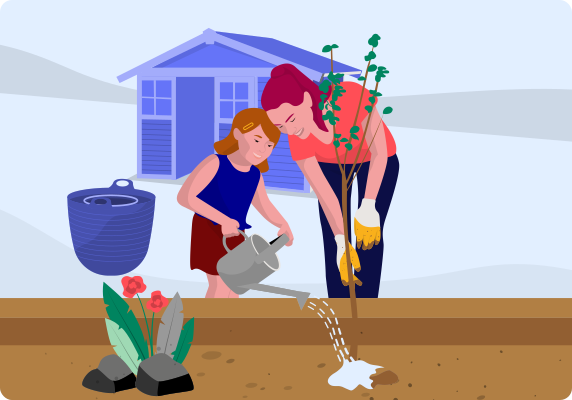
General garden upkeep
Look out for garden areas that need some extra TLC:
- Clear away any debris
- Prune and trim hedges and bushes
- Water plants and shrubs
- Cut your grass and remove weeds
If your garden looks a little worse for wear, why not spend a little time bringing it back to life? This season is the perfect time to invest in some flowers and plants that’ll come into bloom over spring! A well-presented garden can be a great way to attract potential tenants.
Exterior upkeep
It’s important that you maintain the areas outside of your property:
- Check areas for weather damage
- Inspect fences and gates
- Clear away any fallen leaves
- Remove broken branches
Gutter and roof inspections
Gutters
Gutters can become tricky if left unattended. And, if your gutters are blocked or broken, the impact may result
in hefty costs. The rainwater that gathers in broken gutters can end up seeping through your roof and into the
walls of your property, so it’s important that you’re inspecting these regularly to avoid structural and safety
issues.

Roofs
Your roof takes the brunt of changing seasons all year round, from hot summers to freezing winters. As such an
integral part of your property’s structure, neglecting it can lead to serious safety issues.
What to do:
- Regular inspections
- Cleaning and clearing
- Look for missing or damaged tiles, leaks or loose debris
- Check for signs of wear and tear
- Tighten up any loose fittings
- Replace any broken parts
- Ensure proper drainage and prevent water buildup
Plumbing inspections
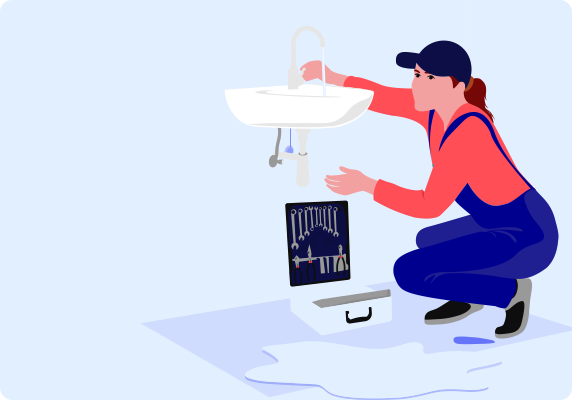
When it comes to plumbing, you want to be on top of any issues or problems from the get-go to avoid water damage and costly repairs:
- Insulate outdoor pipes and faucets
- Replace any loose or faulty seals
- Check for leaks or drips, especially from winter freeze damage
- Check for signs of wear and tear
- Check for blocks or clogged sinkholes and drains
- Check for any faulty or comprised pipes
Summer maintenance

With the warmer months, it’s important to think about air conditioning and ventilation, as well as outdoor painting and pest control.
Air conditioning and ventilation
Service air conditioning and ventilation systems to allow proper airflow:
- Clean out filters
- Check for mould or moisture
- Replace filters if needed
- Checks for any blockages
- Regularly test systems
Exterior painting and repairs
- Give a fresh lick of paint to weathered areas
- Check walls, fence and gates for any damage
- Repair any faulty or broken outdoor furniture
- Tidy up any worn or damaged paint
Pest control
- Check for signs of pests like droppings or nests
- Block off any gaps or spaces that pests could enter through
- Keep a clean and tidy environment
- Consider using a natural repellent
Autumn maintenance

Heating systems
- Schedule regular servicing for your boiler and appliances
- Turning your boiler on for short bursts can help prevent breakdown in colder months
- Bleed your radiators
- Monitor pressure for any dips
- Make any necessary upgrades or updates to your systems
Windows and doors
- Inspect for damage or damp
- Check seals for signs of wear and tear or damage
- Weatherproof to reduce heat loss
- Review insulation cover
- Tidy up any worn or damaged paint
- Replace any loose or broken fittings
Winter maintenance
Frozen pipe prevention
It’s common for pipes to become damaged or even freeze because of the colder temperatures during winter. Stay ahead by taking preventive measures to reduce the chances of this happening to your property:
- Set your thermostat above 55 degrees during colder months
- Check your pipes to catch any issues before they become bigger problems
- Remember to check all pipes – even those that are hidden behind walls or under floors, if possible!
- Consider insulating vulnerable areas
Snow and ice management
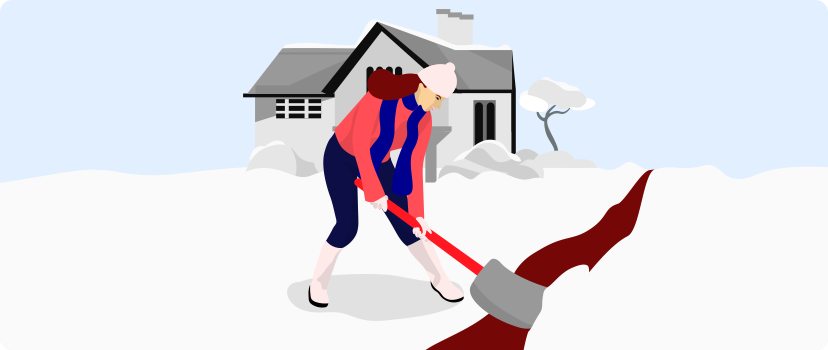
Snow and ice management may differ depending on your tenancy agreement, but your tenant’s safety is your top priority. It’s likely you’ll be covering the basics:
- Clearing heavy snowfall or ice that may be a hazard for tenants
- Remove ice appropriately. Avoid melting snow or ice with water, as it can refreeze and become a bigger issue
- Clear communications with tenants around who is responsible for what during periods of heavy snow and ice
Emergency planning
You know what they say, failure to plan is planning for failure. Life happens, and things can go wrong – it’s how you deal with them that makes all the difference. Having action plans in place can be the difference between a minor incident escalating into something much worse. It’s worth having plans in place for things like:
- Burst pipes
- Power outages
- Storm damage
- Extreme weather conditions
- Flooding or escape of water
Year-round maintenance
While there’s some maintenance jobs that are more suited to the different seasons, as a rule of thumb, you should be carrying out year-round general maintenance. This will help you stay on top of looking after your property, preventing little jobs from piling up into bigger headaches down the line!
Regular property inspections
Regular inspections of your property can help you to spot any issues early on. However, there are set rules in place for how you go about this. You can’t just turn up to your property on a whim, there are rules and guidelines to follow.

To make sure you’re crossing your T’s and dotting your I’s when it comes to inspections, check out our guide: Landlord access rights: how to inspect your rental property | AXA UK
How regular maintenance supports Landlord Insurance

Protect your property
Proper upkeep of your property can help reduce the risk of damage and insurance claims. It’s a good idea to keep detailed records of any maintenance upkeep and any repairs/updates you make to your property.

Insurance
When it comes to protecting your property, you want to cover all bases – having detailed records on hand can help any support any claims made against you. As regular maintenance not only helps prevent damage but also demonstrates your commitment to managing your property responsibly.
Policies like building and contents insurance and liability cover can help provide financial protection against claims and incidents. So, it’s worth looking into which cover is right for you.
All links are checked and valid at time of publishing, 20 January 2026.