
2 July 2026  5 MIN READ
What is the Employment Rights Act 2025?
The Employment Rights Act is legislation designed to strengthen employment rights across the UK. The Employment Rights Bill received Royal Assent and became the Employment Rights Act 2025, marking a major update to UK employment law.
When will the Employment Rights Act 2025 come into force?
Here’s what you need to know so far:
- The Employment Rights Bill was introduced to Parliament on 10 October 2024 and passed on 18 December 2025.
- Key changes have already come into effect in February and April 2026, with further changes planned throughout 2027.
- The changes will be delivered in phases to help employers, businesses, and employees prepare and plan.

Key changes employers need to know
For ease, we’ve rounded up some of the key changes to be aware of.
Changes to unfair dismissal rights
Starting 1st January 2027, unfair dismissal laws will be updated to:
- Extend protection to employees after just 6 months of employment, down from the current 2-year requirement.
- Remove the cap on the amount of compensation that can be awarded for unfair dismissal.
- Require employers to follow stricter procedures during dismissals to ensure fairness and reduce wrongful terminations.
Employment Rights from day one
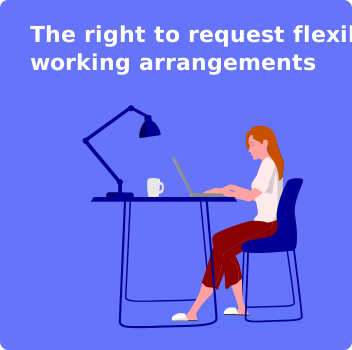
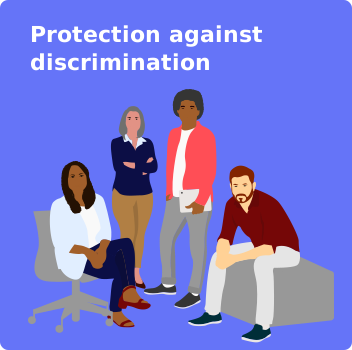
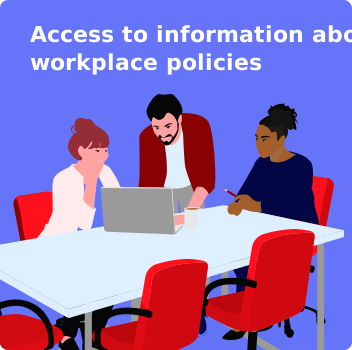
Starting from their first working day, workers will gain access to important rights, including:

Changes to zero-hours contracts
Upcoming regulations aim to make zero-hour contracts more transparent. Employers will need to clearly communicate employees’ rights regarding pay, notice periods, and the right to request fixed hours. These updates are designed to enhance job security and reduce exploitation of casual workers.
Trade Union and worker protections in relation to the Equality Act 2025
Protections for trade union activity will be strengthened to promote equality and prevent discrimination. This includes safeguards against victimisation for union participation, increased support for inclusive workplace practices, and measures to eliminate discrimination based on gender, race, age, disability, and other protected characteristics.
While these are some of the key changes to be aware of as a small business owner, you can find full details of all changes in effect, and planned, on the government website here.
Please note: The timings outlined are based on the current government roadmap and may be subject to change or amendments. To make sure you have the most recent information, it’s a good idea to bookmark the dedicated page for any real-time updates!
How these changes affect your business
As a small business owner, these updates may affect how you manage your employees and run your business. This includes reviewing employment contracts, communicating effectively with your staff, and updating company policies to ensure compliance with the new legislation.
By being proactive with these changes, you can maintain legal compliance and a positive workplace environment. Plus, promoting fair treatment and inclusive practices can improve employee satisfaction and your overall reputation as an employer or company.
What employers should do now
It pays to be prepared and now that you’re in the loop, it’s time to think about how you’ll implement these within your own small business.

Review contracts and policies
First up, employee contracts and company policies! Take the time to review all employee handbooks, contracts, and any internal policies to make sure they’re up to date and reflect new regulations. For ease, you should aim for consistency across all documents.

Train management and HR teams
Your people are your biggest asset, so make sure they have the right training to support them in doing their job to the best of their ability. For the new changes, set up training sessions to help employees understand the new laws alongside proper implementation methods.

Strengthen documentation and processes
Keep an eye on updates from official sources and industry groups so you’re always in the know about upcoming changes. Use this information to take a good look at your current processes to see where you might need to make some updates or tighten up how you do things.
Risks and challenges for SMEs
Staying compliant with new regulations often requires time, effort, and periods of adjusting. However, it’s important to put the work in, as failing to keep up can lead to fines, employee issues, or even legal problems. Ultimately, ensuring compliance not only protects your business but also promotes fairness and trust within your team.
How insurance can help protect your business
Running a small business involves a lot of effort and understanding how insurance can support your business can be helpful. Since every business is different, finding the right coverage depends on your specific needs.
What is employers’ liability insurance?
Employers’ liability insurance is a legal requirement under the Employers’ Liability Act 1969. It’s there to protect your employees if they get injured or become ill as a result of working for your business. It covers the damages, compensation costs and legal fees that a current or ex-employee is entitled to because of illness or injury which may have been caused while working for your business.
Help and advice
Keep informed about the latest regulations by checking our dedicated space for essential legal information for small businesses.