19 MAR 2026
 6 MIN READ
Starting your pet grooming business in the UK
Interested in becoming a dog groomer? You’re barking up the right tree! From the skills you’ll need, to how much you’re able to earn, our handy guide covers the basics to help you get started.
Why pet grooming is a growing opportunity

Growing industry
The pet grooming industry has experienced significant growth in recent years, particularly following on from the pandemic. If not you, chances are you know someone who has welcomed a four-legged friend into their home during lockdown. Naturally, as dog ownership rises, so does the demand for professional pet grooming services.

More than just a pet
For many owners, their dog is considered a part of the family. And so, owners spend considerable time, effort, and money to make sure that their pet is healthy and happy, and at their best.
Reasons people chose to become a dog groomer

Rewarding and fulfilling
Many people find dog grooming to be a rewarding career. Whether it’s detangling matted fur or trimming back overgrown claws, you have the chance to see, firsthand, the difference you can make. Combining skill and a passion for animals can make the work you do genuinely fulfilling.
Animal lovers
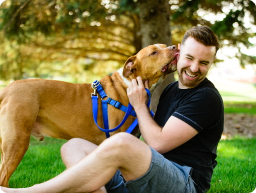
This might seem like a no-brainer, but for animal lovers, the chance to work closely (and get paid for it!) with dogs is a huge bonus! As the old saying goes, find a job you love, and you’ll never work a day in your life. So, if spending your day helping four-legged friends look and feel their best sounds like an ideal workday to you, dog grooming could be the perfect career move!
Choosing your business model
Before it’s time to unwrap those clippers, there’s a few key decisions to make. First things first, which type of business structure works for you?

Home-based
In your own space based in your home
Why it works for some people: Having a dedicated space without leaving your house allows for greater flexibility around working patterns and hours.
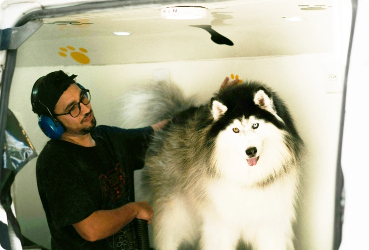
Mobile business
Taking your business on the go
Why it works for some people: Lower initial startup costs, as you’re not tied to a location with premises costs or rent. Plus, it may allow for a wider range of customers as you can travel to them if they’re outside of your area.
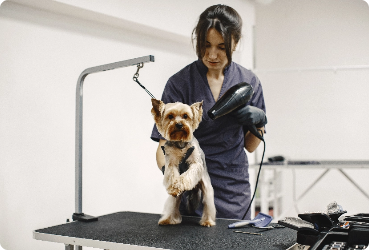
Salon-based
Working within an established salon
Why it works for some people: When just starting out, spending time working in a professional environment will allow you to gain useful knowledge and experience. It may even give you the chance to build up a client base.
Each business structure comes with its own benefits and considerations, so it’s worthwhile exploring the pros and cons before deciding what works for you.
Training and skills
Training
There are no set qualifications for starting your own dog grooming company, but that doesn’t mean you shouldn’t get stuck in and learn your stuff. Dog owners are naturally wary of leaving their beloved pets with someone new and want to know that they’re putting their trust in a safe pair of hands.
In the UK, recommended qualifications for pet grooming are:
Additional Training:

Gaining these qualifications and any additional training can help you stand out in a competitive market, boost your confidence, and reassure clients that their pets are in the best care.
Professional courses and qualifications
Routes to entry to become a dog groomer in the UK
Colleges, or specific training academies, offer accredited courses that help you gain essential skills and qualifications you may need.
Completing an apprenticeship gives you the chance to combine on-the-job training with practical learning to gain relevant experience while earning.
Similar to apprenticeships, you can get hands-on experience working within a pet grooming salon while building your skills and industry knowledge.
Essential grooming skills and personal attributes
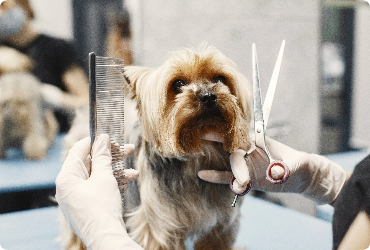
Essential:
- Knowledgeable about dog breeds
- Attention to detail
- Organised
- Technically skilled
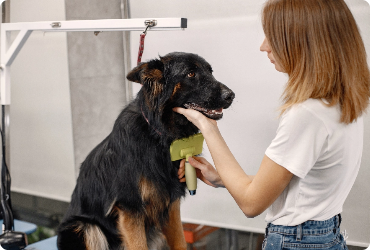
Personal attributes
- Patience
- Understanding
- Compassionate
- Genuine love for animals
What is the expected salary of a dog groomer in the UK?
When it comes to salary, there isn’t a figure set in stone. However, reportedly, in the UK the average salary for dog groomers starts around £17,000, climbing to £27,000 with experience.
This amount may vary depending on:
- Number of clients
- Competitive pricing
- Hours worked
- Available services
- Location

Plus – you can get ahead of the pack by upskilling or specialising in niche areas to boost your income.
Setting up your business
Now comes the exciting part, you’ve skilled up and studied down and now it’s time to get things going. But where to start?
Writing a business plan and estimating costs
In the early days of getting your business up and running, there are a lot of moving parts and things to consider. That’s where having a business plan can help.
From goal setting to outlining your business objectives, a good business plan can work as a blueprint for success, keeping you organised and accountable every step of the way.
If you haven’t put a business plan together before, of even if you’re just looking to refresh your current one, our guide can help.
Legal requirements and animal welfare
Legally, you’re required to provide a high standard when it comes to animal care. You should treat the dogs you groom with due care, ensuring they feel safe and comfortable throughout. For dogs that you will physically handle, this should be done as gently as possible as to not cause them any pain, discomfort or distress. If a dog in your care shows any signs of discomfort or potential health issues, you must stop working immediately and alert the owner.
It’s also important you use the correct techniques and specific products for different breeds, as not everything you use will be suitable for all dogs. You also need to consider the size and health of each dog in your care, and make reasonable adjustments.
Choosing a business structure: Sole Trader vs Limited Company
It’s an important choice, and one that impacts how you’ll structure your business. So, it helps to know your stuff.
Here’s a simple breakdown for ease:

Sole Trader
A sole trader is an individual who owns and runs their own business. They are personally responsible for all aspects of the business.

Limited Company
A limited company is a separate legal entity from the business owner, and it can be set up whether you’re running a one-person business or have employees.

Learn more about different company structures: Sole trader vs limited company: a comparison.
Marketing and growing your client base
When you first start out, growing your customer base should be one of your top priorities. Getting your business out there is crucial in those early days!
Ideally, to begin with, you’ll onboard a few customers who return to you for repeat appointments. And from there, as your reputation grows and you find your feet, you’ll want to build up more of a steady and regular client list.
Promotion strategies
It’s all about promoting your business and what you can do. So, get out there – whether it’s locally or online! Having a website is a great way to raise awareness of your business. It’s a place to showcase the work you’ve done, and what you can offer!
Social media and online presence
These days you don’t need to be a marketing maven to successfully build an online presence across social media. Our social media savvy guide is a great jumping off point to get you thinking about your own social media and where it can take you!
Building a professional reputation and customer trust
A good reputation goes a long way in building customer loyalty, especially for a new business. And when it comes to pets, people want to know they are leaving their furry friend in safe hands – so the more positive experiences people have with your business, the better!
Take the lead when it comes to establishing a solid reputation among your customers:
- Provide consistent, quality service
- Set up review platforms like Trustpilot or Feefo – and don’t forget to engage with them!
- Have accessible QR codes that take customers straight to your reviews
- Honour appointments schedules and times
- Practice a high standard of pet care
Don’t forget the power of word-of-mouth! Keeping people talking about your business and their experience in a positive light, both online and offline, will go a long way in increasing your customer loyalty.
Protecting your business with insurance
How to assess the right level of protection for your business
Every business has unique needs, so what works for one may not suit another. It’s important to carefully evaluate your risks and choose a level of cover that fits your specific circumstances. Taking the time to do this helps ensure you’re adequately protected.
What type of insurance is there for a dog grooming company?
Public Liability: If someone makes a claim against your business, this type of insurance can help cover the legal fees and compensation costs.
Employers Liability: Employers’ Liability insurance protects your employees if they get injured or become ill as a result of working for your business.
Equipment: Business Equipment Insurance is an optional extra that you can add to your business insurance policy to help cover the cost of replacing or repairing lost, stolen or accidentally damaged equipment.
Ready to start your own dog grooming company?
Appointments to stay on top of, coats to be trimmed and daily tasks to perform. Getting your pet grooming company up and running is no easy feat, and that’s something worth protecting. Get started with AXA’s business insurance for pet groomers.
All links are checked and valid at time of publishing, 19 March 2026.