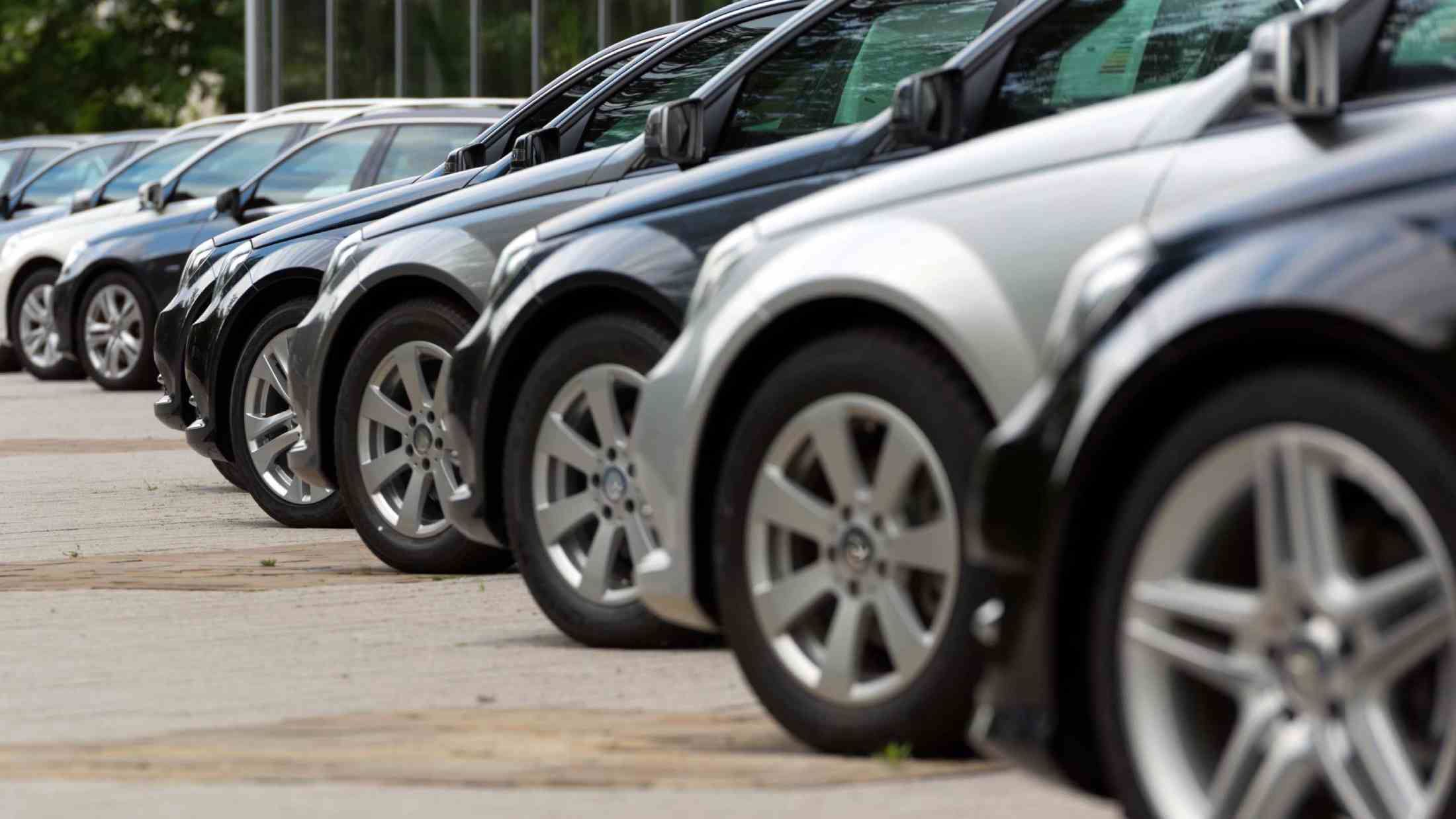
We know that buying a brand new car isn't right for everyone. That's why we're sharing our tips on what to look out for when buying a used car.
Whether you need help with who to buy from, or advice on how to buy, we're here to help.
- Where should I buy a used car?
- How should I buy a used car?
- What to look for before buying a used car
- Why are checks important before buying a used car?
Where should I buy a used car?
You can buy a used car from plenty of places, like a dealer, an independent garage, or a trader. But what are the differences between them?
Dealership
A car dealership sells both new and used cars. They might also offer maintenance services, sell spare parts, and even handle warranty claims.
Independent garage
An independent garage is similar to a dealership, but it isn’t part of a franchise. They usually serve a local area and are smaller. Because they’re smaller, they often charge less. Dealerships have more cars to choose from, but independent garages may build better relationships with customers.
Trader
A trader is different from dealerships or independent garages. They source and buy cars at a low price and then re-sell them for a profit.
How should I buy a used car?
Knowing the different ways to buy a car will help you get the best deal. You can buy used cars privately, from an auction, or online. Price, overall condition, and legitimacy can vary depending on how you buy.
Buying privately
Buying a used car privately is a popular choice because it’s easier and quicker than going through a dealership. You may already know the person you’re buying the car from. This will make it easier to strike a personal connection with them and get the best deal.
At an auction
In a car auction, a series of different cars are put up for auction and sold to the highest bidder. To buy, you'll typically need to pay a deposit of 20% of your winning bid, or £1000, whichever is more.
Online
You can buy cars online. Just make sure to check if the website is trustworthy first. This way is good if you don’t want to talk to a salesperson or go to an auction.
What to look for before buying a used car
It’s important to know what you need to check before you buy a used car. Below you’ll find just some of the key things you’ll want to do before you buy. Consider it your pre-purchase checklist!
Check the documents
Look at the car’s documents, especially the V5C, also called the logbook or registration document. The V5C also confirms you own the car and has specific details for the vehicle. It’ll even say if the car’s been modified, scrapped, or written off before.
Check the car's license plate to make sure the make and model of the car match the V5C. You should also check the car's Vehicle Identification Number (VIN) – usually on the windscreen or the door frame – to make sure it matches the car's registration.
If you're buying privately, make sure the name and address of the registered owner match the seller.
Check the vehicle's history
It's a good idea to run the used car through a vehicle history check. Does it have an up-to-date MOT? Your seller should know this, but you can also check the MOT history through the Government's website.
If the car's had a lot of owners in a short period of time, this may indicate there's something wrong with it. Look out for mileage discrepancies to reveal if the car's been clocked – i.e., had the mileage clock deliberately run back.
Check for common problems, breakdowns, and MOT failures. It's a good idea to have an independent car review, inspection, and valuation, too. You'll also want to know the average running costs for the car.
Ask the seller questions
Asking the seller the right questions is important when you’re buying a used car. You should ask if there's any money owed on the car, as it can’t be legally sold if there is. Always ask for the V5C and any other important documents, so you can check the car's details for yourself. Also check if the seller's the registered keep. If they aren't, ask why.
Valuing the vehicle
Once you've found a car you like, get a second opinion from a trusted dealer. You can do this through car traders and dealerships. It will help you get a fair price and check you're not being charged over the market value.
Viewing the car and checking for damage
Before buying, look for dents, scratches, and general wear and tear. Take note of anything that signals serious damage or poor repair. And follow up with the seller, as these might be signs of a serious crash. In bright sunlight, check the paint is the same colour and check rubber seals and plastic trims.
Look at the gaps between panels - if they're uneven, the car might've been in a crash. If possible, get a professional to look over the car for signs of damage.
Check tyre pressure, fluid levels, and that the electrics are all working. The inside of the car should also be in a generally good shape for its age.
Check the mileage
Make sure the mileage matches what the seller told you. It should also be right for the car's age and condition. If you're in doubt about the car's mileage, ask the seller and question any discrepancies.
Take a test drive
When test driving a used car, lookout for a few key things:
- Before starting the car, check the oil cap.
If it has a thick, white substance, there might be a problem with the head gasket, or engine damage. - When you start driving, look out for exhaust fumes and listen for unusual noises.
There should be minimal fumes, and the engine should be quiet and smooth. Ask to start the car cold – if the seller's already started the car for you, they may be trying to hide an issue. - Make sure the steering wheel doesn't squeal or judder.
The car shouldn't pull to one side on a level stretch of road. Brakes should stop the car in a straight line with no vibrations or rubbing noises. And, there shouldn't be any slippage from using the handbrake on a hill.
Why are checks important when buying a used car?
It's vital to fully check any car before buying it, for your safety and others'. It may save your wallet too. Buying a used car's a big commitment.
Once you've found the car that's right for you, check out our guide on what to do when you've bought a used car. And don't forget to make sure you're well protected with car insurance to cover your vehicle later on.


