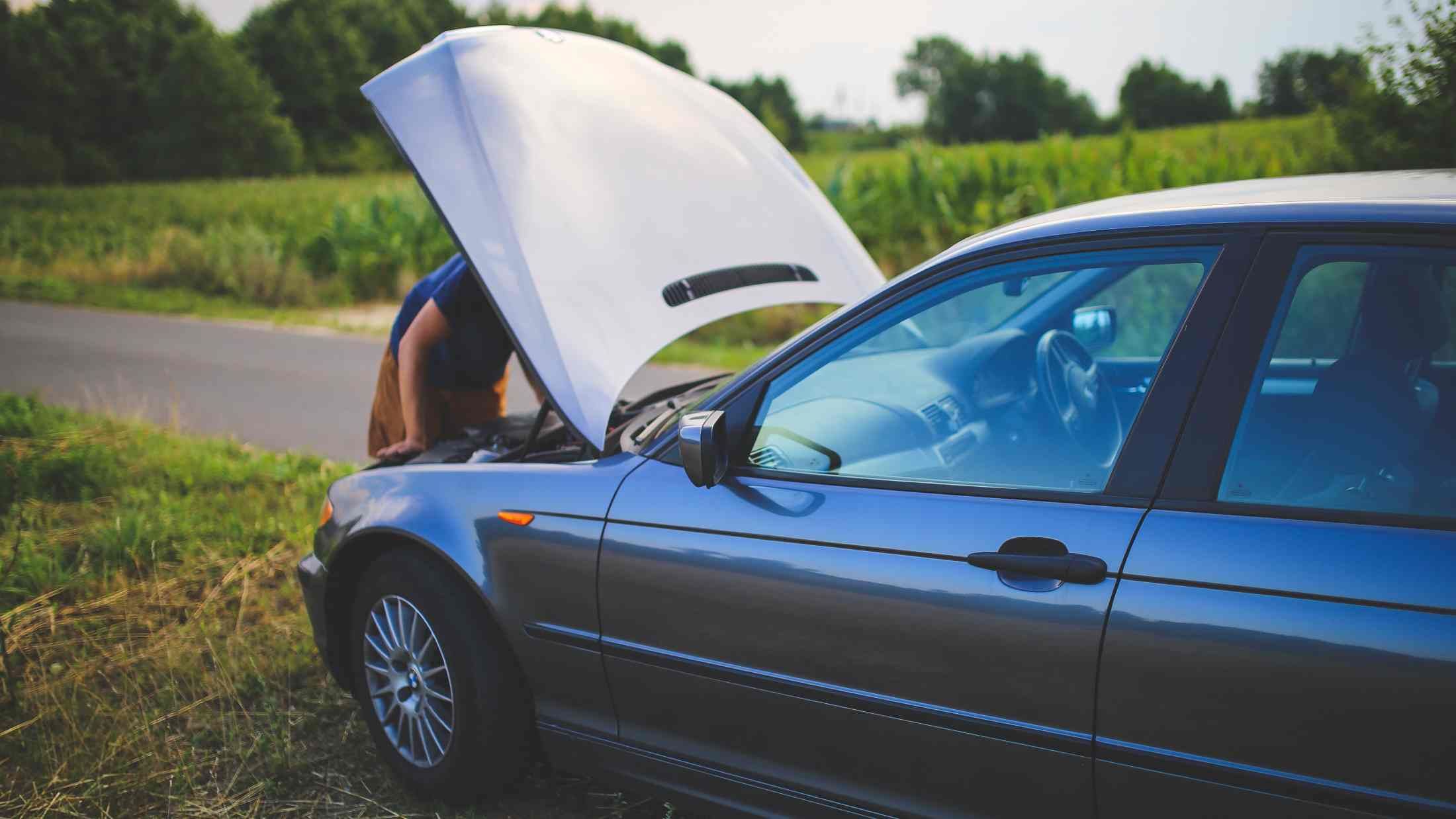
Running into car trouble overseas can be stressful, but a little preparation can take some of the hassle out of accidents and breakdowns abroad.
This guide covers everything you need to know about what to do in the event of a breakdown or accident abroad, from your first safety steps at the scene, to collecting all the relevant information and arranging your car insurance claim afterwards.
Getting into an accident overseas
If you're involved in a car accident while travelling overseas, after attending to any injuries, you'll need to gather some important information:
- The other person's name and contact details
- Whether they own their vehicle or just drive it – if they don't own it, ask who does
- The name and contact details of their insurance provider
- The vehicle's registration number
- The country it's registered in
- The make and model of the vehicle
- A brief explanation of what happened
- The date and location of the accident
- The names and contact details of any witnesses.
It's also a good idea to report the incident to the police, and to get a reference and contact number from them. In the majority of countries, the police have to attend any accident involving a foreign vehicle.
You can record most of this information on the European Accident Statement form. You and the other person involved in the accident will fill this in with your versions of what happened, and once it's signed it's legally binding. Before you set off on your travels, it's worth printing one of these off and keeping it in your car just in case.
To back up your statement, be sure to take photos of the scene of the accident and any close-ups of vehicle damage. Avoid getting into discussions about responsibility, though – your insurer should handle this for you.
How to make a claim for an accident abroad
Once you've got everything noted down, get in touch with your insurer to get the claims process started.
If you're an AXA customer, you can make a claim from outside the UK by calling us. Visit our 'Make a claim' page or check your policy wording to make sure you've got the right number. We'll make sure we've understood the circumstances before letting you know what's likely to happen next. This might involve temporary repairs to get your car back on the road or arranging for your vehicle to be transported home.
It's important to get the ball rolling as soon as possible on your insurance claim, ideally when you're still in the country. European Union (EU) rules do help to speed up the process by ensuring cooperation between foreign parties. These include:
- Insurers have to provide an English-speaking representative
- EU countries must have organisations that insurers can go through to find the other party's insurer
- EU countries must have sanctions they can apply if a claim goes on for over three months, encouraging speedier settlement.
One thing to be aware of is, unlike in Britain, it won’t be possible for us to arrange a courtesy car for the rest of your holiday. We can only insure you to drive your own car overseas, so we also won't be able to cover you if you take a courtesy vehicle abroad.
Breaking down overseas
If you break down overseas, take care of your safety first by:
- Pulling over onto the hard shoulder if you’re on a major road
- Activating your hazard warning and side lights
- Putting on a reflective jacket
- Placing your warning triangle around 50 yards behind your vehicle if you’re on a quieter road
- Getting out of the car on the side facing away from the road, and standing a reasonable distance away.
Next, contact your insurer. If you have AXA European Breakdown cover, we’ll usually attempt to repair your car at the side of the road. If that's not practical, we’ll tow your car to a nearby mechanic. If they can’t fix it within two days – or a reasonable amount of time considering the fault – we'll get you, up to six passengers, and your vehicle back to the UK. Please see your policy wording for more information.
Of course, it's always sensible to take a few precautions before setting off to reduce the risk of a breakdown. For example, you might want to get your car serviced a week or two before your holiday for peace of mind.