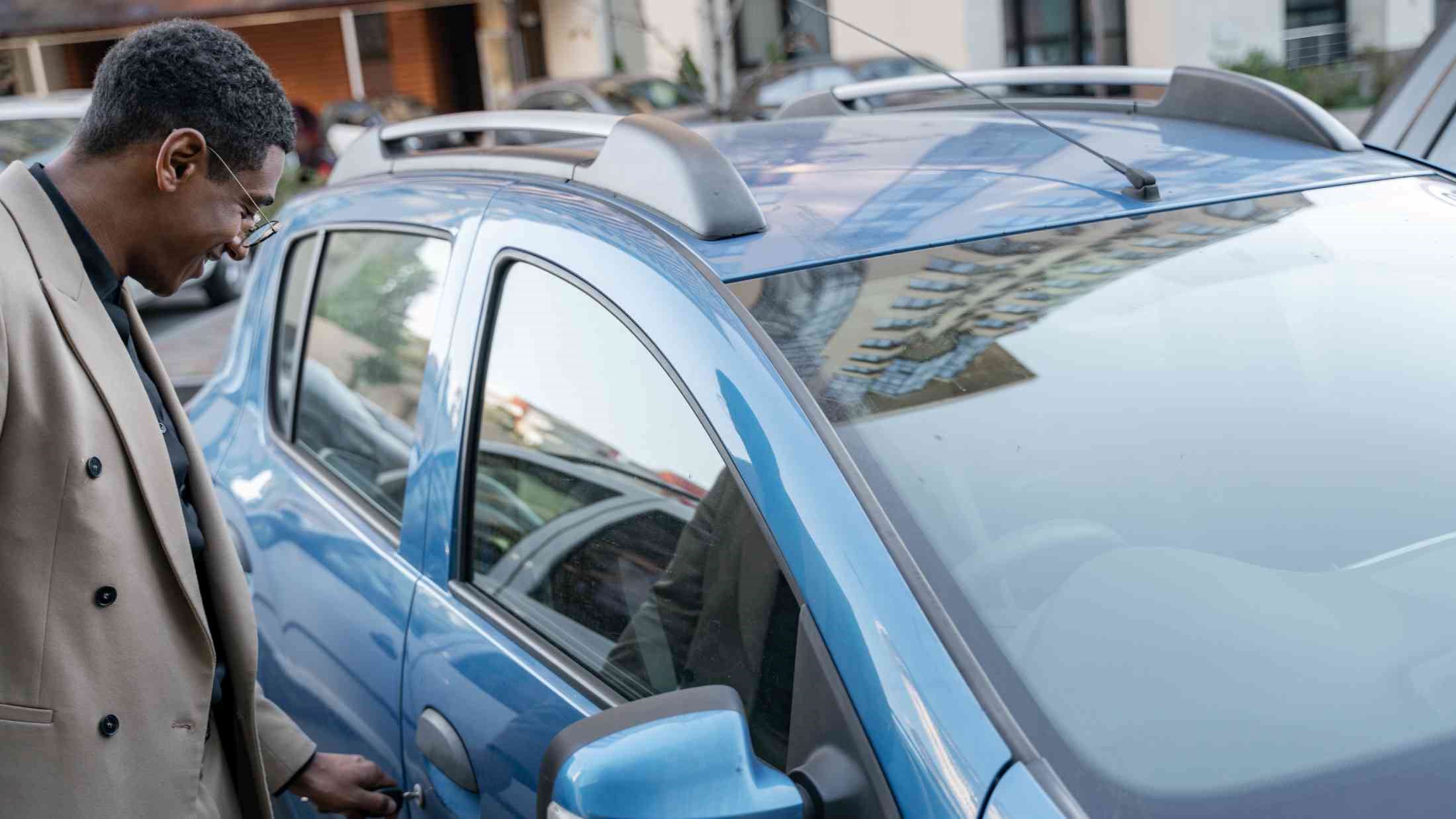
Buying a car at an auction can be exciting. The atmosphere, the fast talking auctioneer, and everyone around you trying to snag a bargain. A survey by AXA found that 43% of drivers would consider buying a car at auction1. It's easy to get lost in the buzz, but if you do decide to try and buy a car at auction, there’s a few things you should know. This guide will let you know the do’s and don’ts of car auctions, what to expect and any red flags to look out for to keep you – and your money – safe.
In this guide:
- What is a car auction?
- Step-by-step: how it works
- Good auction manners
- Warning signs to look for at an auction house
- What to Check on the Car
- Helpful Tips for Beginners
What is a car auction?
A car auction works similarly to your usual auction house. Cars are put up as ‘lots’, and each one is offered to the audience to be bid on. The person with the highest bid wins the car.
Step-by-Step: how it works
-
Find an Auction
First, you need to find an auction. There are online or in-person auctions available, and you can attend whichever one you prefer. Online auctions can be easier if you’re new to auctions, as you can take a bit more time in the comfort of your home. In-person auctions can be exciting, but they move very quickly.
Pick an auction company that is trusted with a good reputation. Look for reviews and check that they have clear contact details. We’ll go through the warning signs to look out for later in this guide.
-
Register to Bid
Before you can join in, you need to sign up. You’ll need to fill out a form to provide the auction house with some basic details, show your ID and, in some cases, pay a small deposit. This is a precautionary measure, so the auction houses can filter out any bad actors who may attend. Once registered, you’ll be able to start bidding.
-
Look at the Cars Carefully
Before you start your bidding adventure, you should check each of the cars on offer to make sure they’re exactly as described. If you’re attending an online auction, look closely at photos and descriptions of the car. If there’s a report about the car’s credentials, like mileage and previous owners, make sure you read that as well. In person, you may be able to walk around the car and look inside yourself. This is an opportunity to check for any damage and decide if this car is the right one to bid on.
At auctions, cars tend to be sold as 'as seen'. This is an agreement that if you buy the car, you accept it in it’s current condition and you may not be refunded if you later spot damage or an issue you didn’t before buying. So, always look closely before you bid, and read any information about the cars carefully.
-
Start Bidding
Now the fun begins – it's time to start bidding. The auctioneer will announce which ‘lot’ is up next and will start the bidding at a certain price. Make sure to only bid on cars you have a genuine interest in, as a winning bid is legally binding. If you change your mind and refuse to pay, action could be taken against you and you’ll likely be banned from future auctions.
-
Pay for the Car
Usually, you’ll need to pay a deposit for the car you’ve just won as soon as the bidding ends. You’re then required to pay the remaining balance between 24-48 hours of the auction. Check the terms of the auction house you’re buying from to be sure. You’ll likely pay a buyer’s fee alongside the price of your winning bid, so bear this in mind when you’re budgeting.
-
Collect Your Car
Once you have paid, the car is yours, congratulations! You can usually either pick up the car yourself or arrange to have it delivered to you. Double check your collection options before you leave the auction. Before you drive the car, make sure you’re insured. Get a quote for AXA car insurance.
Good auction manners
Auctions are a fast paced, high-energy environment. To make sure everyone stays safe and the buying process can go as smoothly as possible, there are some do’s and don’ts you should follow:
You should:
- Only bid if you really want to buy
- Pay attention at all times
- Be polite to others
- Listen to the auctioneer
Do not:
- Place joke bids – there are consequences to not paying for a lot you’ve committed to buy, as highlighted earlier
- Distract the auctioneer – this can get you removed from the auction and even banned
- Rush in without thinking – you won’t be accommodated for a lack of preparation
Auctions can be a lot of fun but committing to buy a lot is a legal contract. Don’t enter into it unless you’re a genuine buyer.
Warning signs to look for at an auction house
It’s important to do your research into any auction houses you intend to visit and buy from. Some bad actors are out to trick buyers into buying cars that aren’t in as good condition as they seem, or don’t even exist. Here are some warning signs to be aware of:
Prices That Are Too Low
If the price of a car at auction seems too good to be true, it likely is. It may have hidden damage that isn’t mentioned on it’s documents, or need expensive repairs that you’re not aware of. It’s important to be wary of any heavily discounted cars – make sure they’re the real deal before you commit.
Missing information
You’ve found a car that you would be interested in buying at an auction. But there aren’t any clear photos of the car being auctioned, there is little or no description included and no history for the car provided. It’s likely best to steer clear, as this is a clear sign that the auction house is untrustworthy. Good, reputable auction houses will provide this information with every car they sell.
Strange payment requests
You’re usually expected to pay your winning bid quickly. If the auction house doesn’t take standard methods of payment or asks you to pay with alternative methods, you should steer clear. This is a sign that the auction house might not be legitimate.
No contact details
A real auction house should be easily contactable, with an address and phone number easily found on their website or through searching. If there’s no way to get in touch with them directly, this is a sign that they should be avoided.
What to Check on the Car
AXA found that 70% of drivers say hidden vehicle damage would be their biggest concern when buying a car at auction1. But you don’t need to be a mechanic to spot any damage, blemish or potential issues. Here are simple things to look for:
- Scratches, dents, or rust on the body
- Worn or damaged tyres
- A recorded service history
- Any lit-up warning lights on the dashboard
- Does the car start and run? Ask if you can see the car turned on.
If you’re unsure of what to look out for, you could bring a savvy friend with you. If not, make sure you take the time to look up and research what you need before deciding. Buying a car is still a big financial commitment, even at an auction.
Helpful Tips for Beginners
Completely new to car auctions? Here are some easy tips to help you do well:
-
Set a budget before you start
– you don’t want to spend more than you can afford -
Stick to your budget, no matter what
– don't be tempted to bid higher than you planned, even if you really wanted that particular car -
Don’t get caught up in the excitement
– it's easy to get swept up in the atmosphere, but you should stay grounded -
Check the normal price of the car first
– how much of a good deal are you actually getting? Make sure you don’t spend more than buying one conventionally would cost -
Start with cheaper cars if you are new
– get comfortable with the auction process before going for bigger ticket items.
Buying a car at an auction can be a great way to save money. It can also be fun and exciting. But it does come with risks. If you stay calm, set a budget and remember your warning signs, you can end the day with a good deal. Take your time, do your research and only bid if you’re sure you want that car.
If you’ve had a successful day, you can insure your new wheels with AXA – you can get a quote today.
Qualifiers
1 According to a survey conducted by AXA on 259 respondents in May 2026.