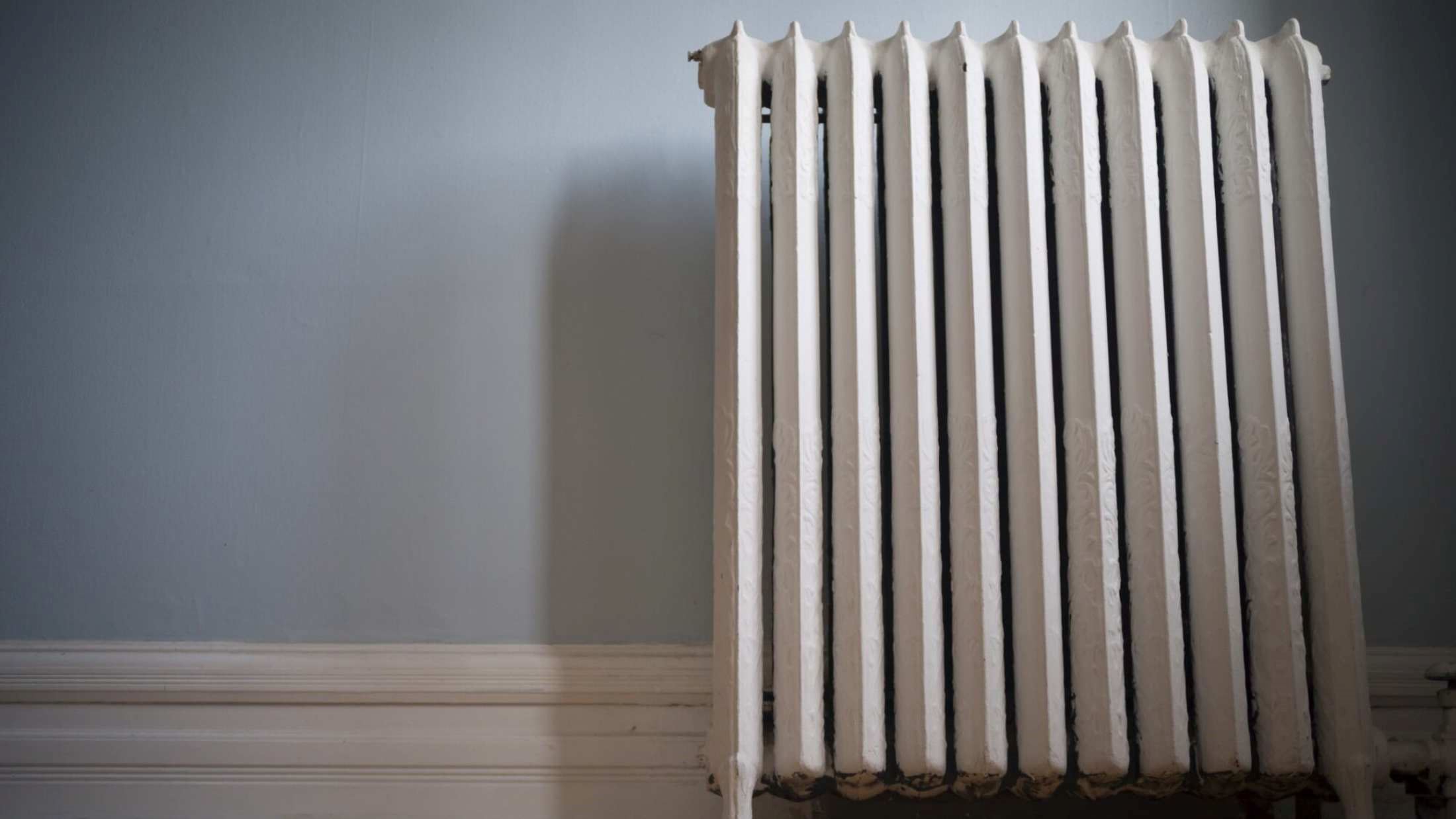
Knowing how to bleed a radiator can make your heating more energy efficient, keep your boiler in peak condition and save you money on heating bills. A little know-how can stop problems like uneven heating, rust, leaks, and boiler damage.
In this guide, you'll learn why bleeding radiators is important, how to check for signs of a gas heating problem and how to bleed a radiator.
- When should you bleed a radiator?
- How to bleed a radiator in six steps
- Other ways to improve your home's heating in the long run
When should you bleed a radiator?
If your gas central heating isn't warming your home properly, it could be because there are air bubbles trapped in the system. This is when you'd need to bleed your radiator. These bubbles stop hot water from flowing properly, so radiators aren’t as hot as they should be and your home takes longer to warm up.
Uneven heating can also lead to mould and damp. If you think this may already be an issue, read our guides on dealing with condensation and mould.
Before bleeding a radiator, you'll need to check for blockages in the system. Turn on your central heating and make sure each thermostatic radiator valve (TRV) is on full power and not blocked. This is important because TRVs work by sensing the surrounding air's temperature, which will be affected if they're covered up. You can usually find the TRV at the top or bottom corner of your radiator. Once the heating warms up, put on gloves and check how hot each radiators is. Air bubbles rise to the top of radiators, so the top might be cooler than the bottom. If a radiator isn't getting hot at the top, or if it feels cooler there, it needs bleeding.
Before you get to work, look for bigger problems. Check for rust or water underneath or on the radiator, as this could be the sign of leaks in your heating system. Also check your boiler power light is on (or the pilot light is lit), the boiler pressure is at the right level, and your boiler isn't leaking.
If everything looks fine, bleeding your radiators will help your heating work better.
How to bleed a radiator in six steps
- Turn off the heating. Otherwise, boiling water could spray out of the radiator.
- Find your tools: a dry cloth like a tea towel, a bowl to catch water, and a radiator key. If you don’t have one, you can get one cheaply at most DIY shops.
- Find the square bleed screw at the top corner of your radiator. Put the bowl directly underneath it.
- Put the radiator key over the bleed screw (it should fit snugly). Cover it with a cloth and slowly turn it anti-clockwise for about half a turn. You'll hear a hissing sound as the air escapes. Keep the cloth close to catch any water.
- When the hissing stops and water begins to trickle out, tighten the screw again. Be careful not to over-tighten and damage the valve. You could also give the radiator a wipe down so you don’t leave any moisture, which could cause rust.
- Turn the heating back on. Check the boiler pressure. If it's low, boost it by using the filling loop on your boiler. This is usually a tap or lever on the main water supply to your boiler. Make sure all radiators heat evenly and no valves are leaking. You might need to bleed some of your radiators again. If the issue isn't resolved, call a heating engineer.
Other ways to keep your home warm and save money
More than half your fuel bill goes on heating and hot water1. Bleeding radiators helps, but there are other quick ways to save energy and money.
- Use your boiler in spring and summer, too. Turning it on for 10-15 minutes once a month can stop it breaking down and avoid cold showers in winter.
- Watch out for problems. If boiler pressure keeps dropping or you see leaks or water pooling, call a Gas Safe-registered professional.
- Get your boiler serviced once a year. It can help prevent bigger problems. And installing a thermostat can save you money – if you set it to 60°C it could save you about £166 a year2.
- Add an insulation jacket. If you have a standard (not condensing) boiler, adding insulation costs around £15. This can save you about £40 a year by stopping heat loss3.
- Decent insulation helps. Loft insulation can save up to £340 a year4. Draught-proofing windows and doors can also save you money on your gas bills. Keeping your home well-insulated helps it stay warm without costing a lot.
*How different households use energy and how much it costs them - Nesta
1 Energy consumption in the UK 2024 - GOV.UK
2 The 30-second boiler trick 'which will save £166 a year' - BirminghamLive
3 'Save £40 a year' on energy bills by adding one thing to your home - Express.co.uk
4 Loft Insulation Costs And Savings - Which?


