
22 APR 2026  5 MIN READ
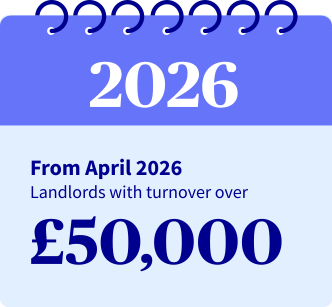
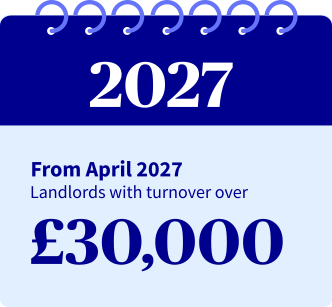
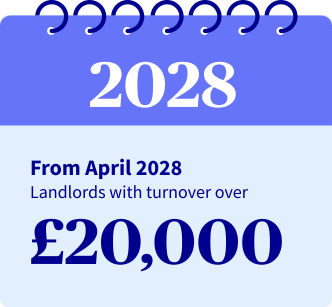
In the biggest change to Income Tax since HMRC launched Self-Assessment more than 30 years ago, Making Tax Digital is changing how tax is managed for landlords with a turnover of over £50,000 from self-employment and property.
These changes come into effect from April 2026, so it’s important to get up to speed on what you need to do to stay compliant.
Do the changes to Making Tax Digital impact me?
What’s changing?
From April, you’ll need to use approved software to keep records of your self-employment and property income and expenses, sending quarterly updates to HMRC.
These quarterly updates aren’t tax returns, just summaries of how your business is doing. These will be sent in four bitesize updates, with the info pulled from your records.
To be clear, this does not mean you’ll be paying four tax bills a year.


What does this mean for affected landlords?
- You’ll need to keep digital records of all rental income and expenses.
- You will be required to submit tax information electronically to HMRC through approved software.
- You must comply with the new reporting deadlines.

What to do next?
Get ready:
-
First things first, you should check to see if you’re affected by the change. To do this, work out your qualifying income from the above.
-
If you are affected, work out your start date.
-
Decide on which software to use (must be compatible with MTD system).
-
Let the appropriate people know of the changes. If you have an accountant, it’s a good idea to check that they have access to the software you’re using.
-
Sign up using the online service.
-
Start keeping digital records for your income and expenses.
For further help or guidance, you can visit the Making Tax Digital campaign page.
All links are checked and valid at time of publishing, April 4th 2026. This content was produced in conjunction with HMRC.