
Most people don’t think twice about investing in a special chair with back support for their office. But how often do you think about the seat in your car?
With the average UK driver spending almost four years behind the wheel over the course of their life1, improving your driving position could save you from aches and pains in the future.
Here are a few tips on how to improve your driving posture:
- Before you adjust
- Think about lumbar support
- Sit well back
- Look at your legs
- Adjust your seat height
- Lean back a little
- Set your headrest
- Adjust for your arms
- Check your mirrors
- Don't forget your seatbelt
- Give yourself a break
- And finally, relax!
Before you adjust
Make sure you adjust the seating position in your car before you drive. You shouldn’t try to make these changes while you’re driving, or even when your car’s stationary in traffic or at traffic lights.
Think about lumbar support
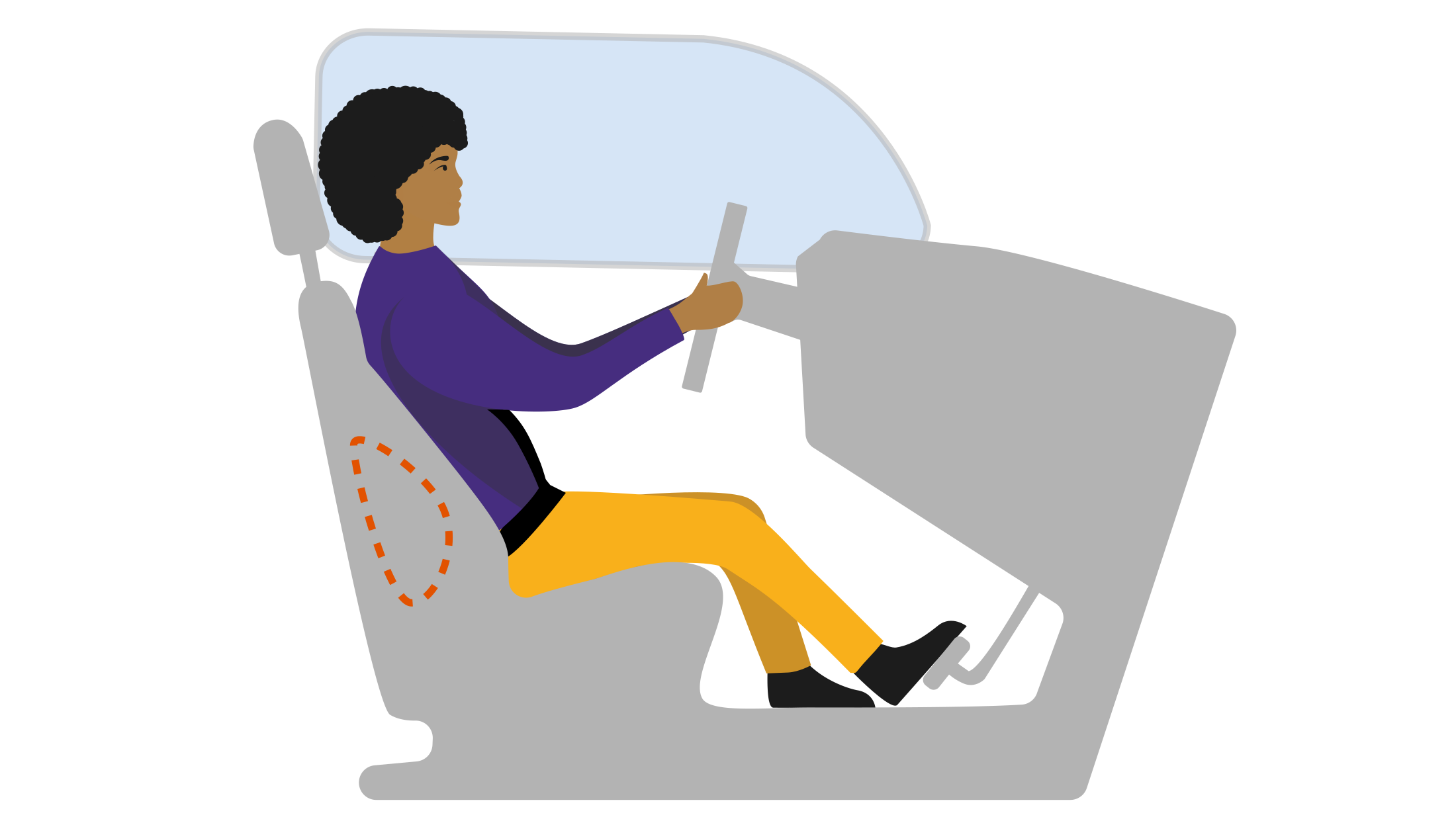
The spine is most at risk of pain and injury where it curves at the bottom.
If your car has lumbar support, adjust it so it suit you. You should end up feeling an even pressure from your hips to your shoulders. The gap created by the arch of your lower back should be filled without pushing any other part of you away from the seat.
If you don’t have adjustable support, try tucking a lumbar pillow or even a rolled-up towel at the base of your spine.
Sit well back
Whenever you see a sketch of a nervous driver, they tend to be shown hunched over the wheel, gripping it for dear life. If this is you, it’s time to sit back – literally. Slide your tailbone to the back of the seat and let the chair support you. 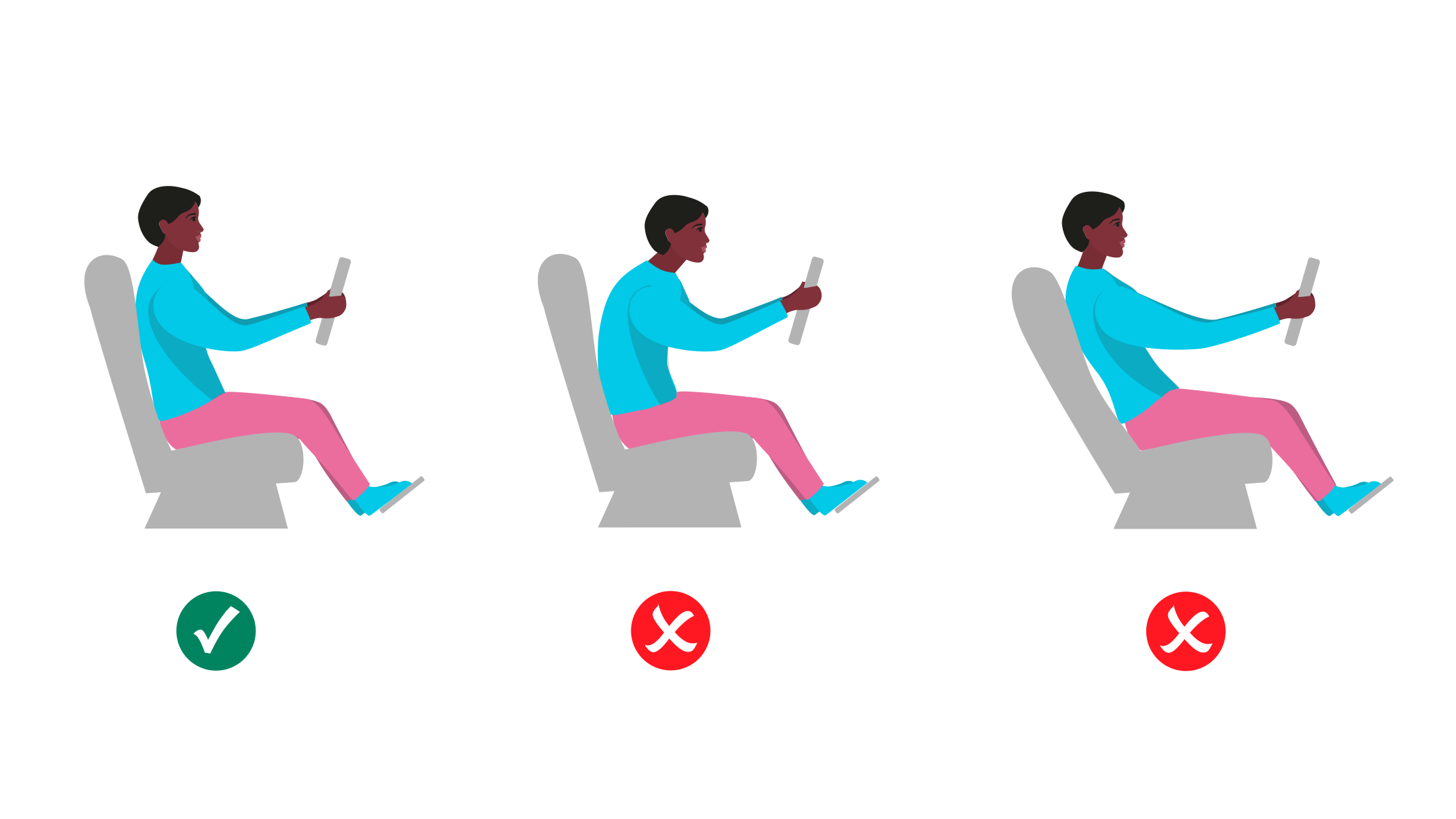
Look at your legs
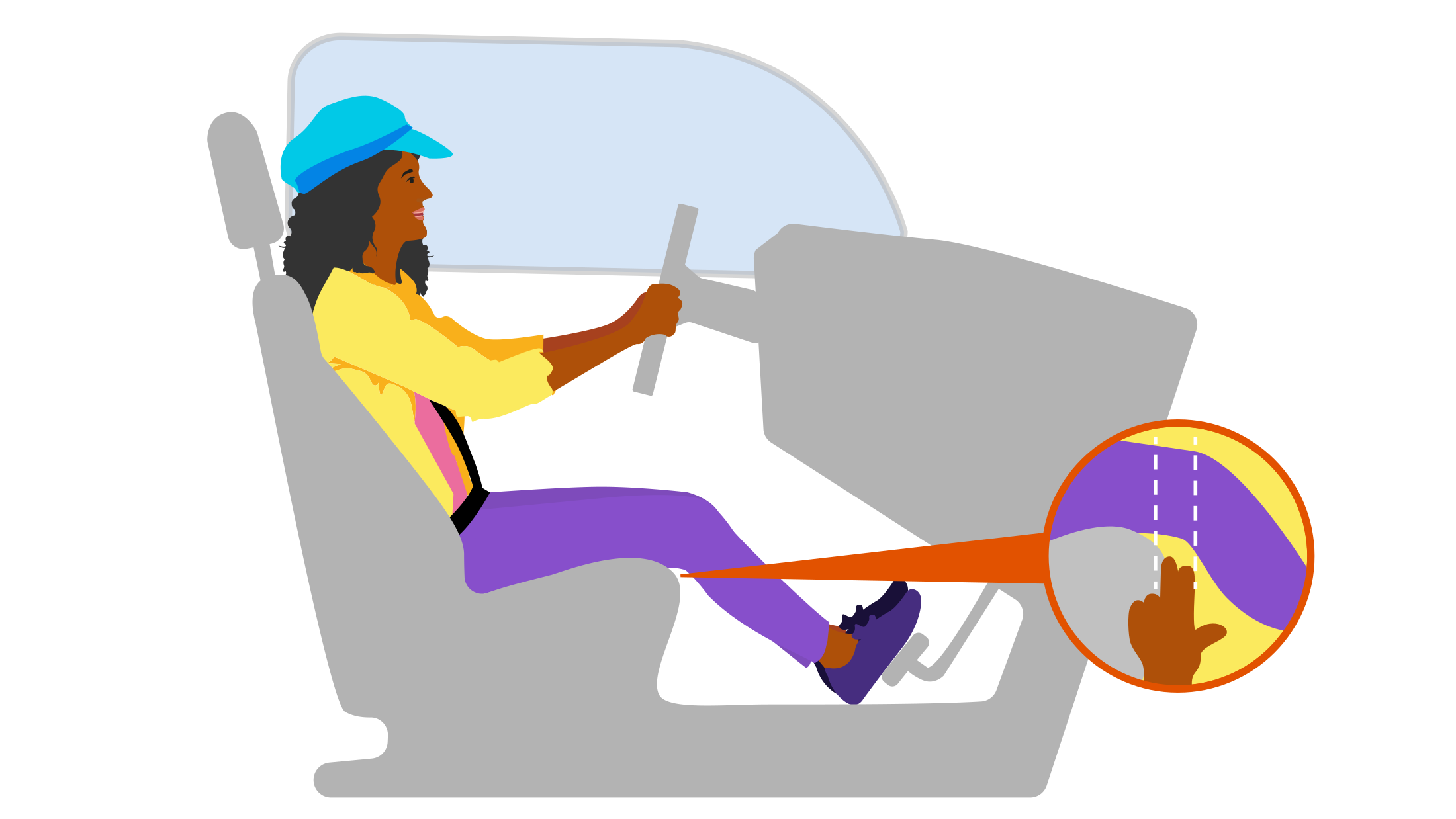
Make sure your legs aren’t over stretched. You can check this by sliding your fingers between under your knees and the edge of the seat. If you can fit in more than two or three fingers, you’re too far from the pedals. Move your seat forward to compensate.
Keeping your knees slightly bent while you drive will prevent knee pain down the line. But you don’t want them bent uncomfortably.
You should also adjust your seat so your hips are at least as high as your knees. This give you extra support and increase circulation.
Adjust your seat height
In some sports cars where the seat leans back, you can end up with very poor visibility. Reclining too far forces you to push your head and neck forward, which can lead to pain in the neck and shoulders and tingling in the fingers.
Adjust your seat height so your eye level is at least three inches above the steering wheel. That way you’ll you can easily see what’s ahead – and avoid that neck pain.
Lean back a little
Despite our earlier warning, you can lean back a little if you prefer. 100 to 110 degrees is ideal as your seat will put less pressure on your back.
Set your headrest
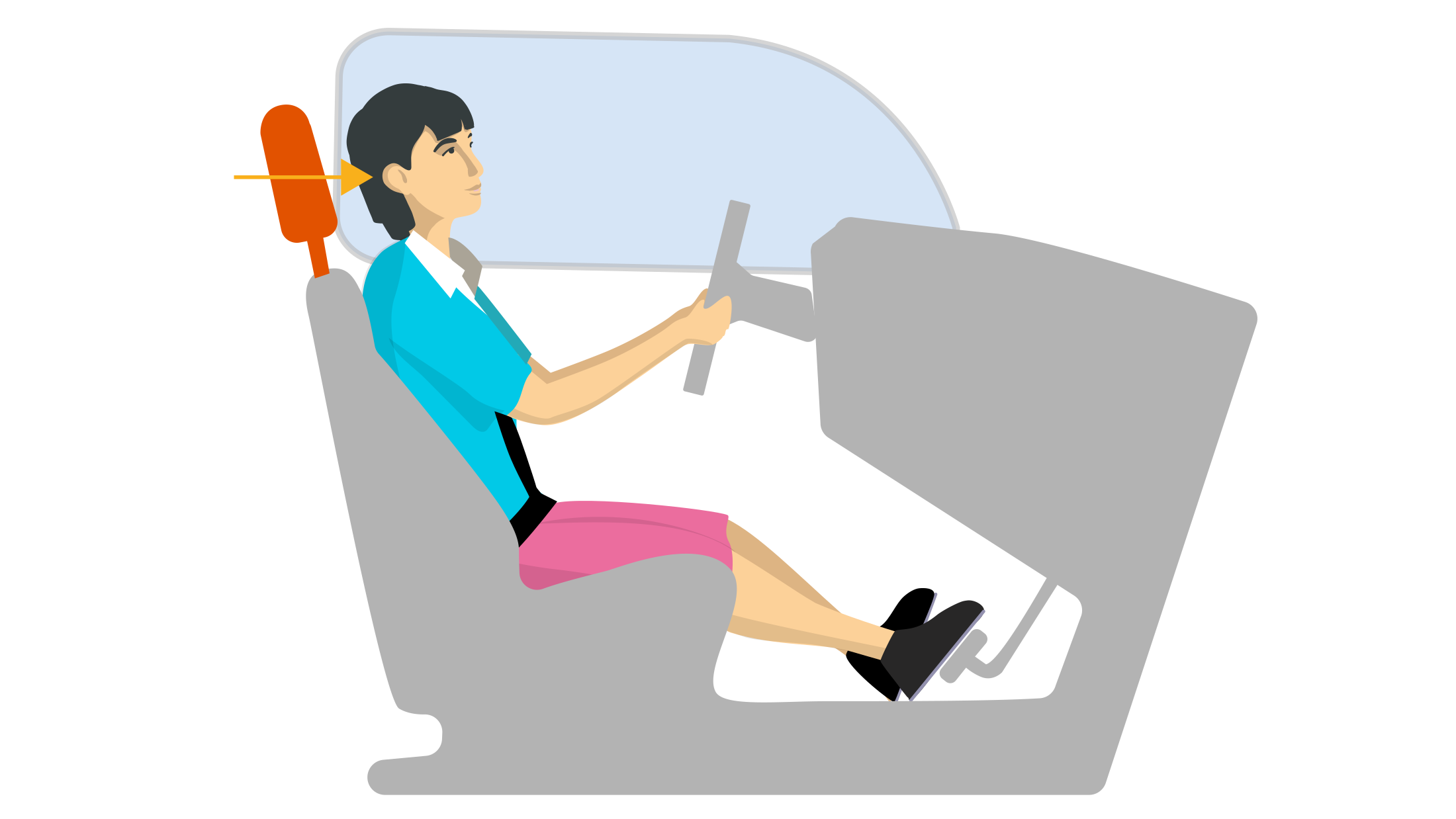
Your headrest will help reduce whiplash injuries if you’re in a rear-end collision.
You’ll know when your headrest is at the right height when the top of it sits between the top of your ears and the top of your head. It should touch the back of your head when you lean back.
Adjust for your arms
Holding the wheel in the right way can actually take the strain off your neck and shoulder muscles. Once you’re sitting comfortably, it’s time to adjust the steering wheel.
Keeping your hands at nine and three o’clock can help you hold the steering wheel with your fingers, rather than clenching with your fists.
Avoid steering with one hand. It twists the spine and can lead to all sorts of problems down the line.
Check your mirrors
Have a play with your mirrors (rearview and side). They should allow you to see the traffic behind you without having to crane your neck.
Don’t forget your seatbelt
Few people realise that the bottom part of your seatbelt should go across your pelvis, not your stomach – especially if you’re pregnant.
The upper part of the belt should pass across your shoulder and be easily adjustable so it’s tight with zero slack.
Give yourself a break
We all make mistakes when we’re tired. Even small ones can quickly escalate, especially on a long drive. So the most important advice of all is to take regular breaks.
Before you set off on any journey think about where you might like to stop. Stretch your legs. Treat yourself to a hot drink. If you have problems with your back, do a few slow stretches.
Finally, relax
If you’ve ever suffered from a bad back, you’ll know just how important posture is. We hope these tips help keep you pain-free for many adventures to come.
And remember, if you're involved in an accident, AXA car insurance is here for you 24/7.
Whether you prefer to deal with things quickly online or talk to us over the phone we’re here to help you get back to the good stuff.


