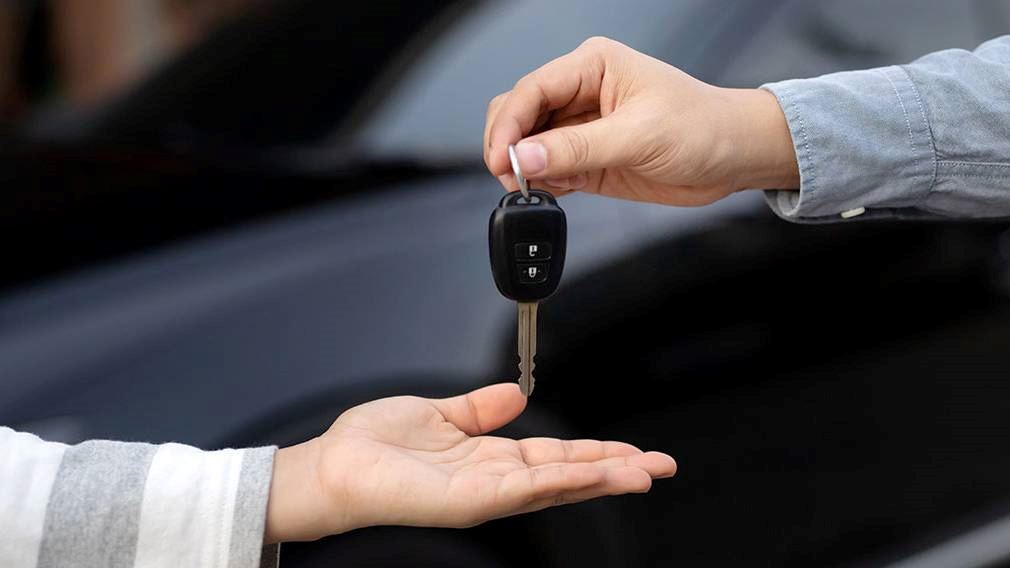
Thinking of selling your car but not sure where to start? If you're deciding whether to sell your car, now might be a good time. Due to a shortage of new car models available, sales of second-hand cars have grown by 5.3% in 2024.
It might be tempting to sell your car online instantly to a car buying service, but these will usually offer you the lowest price for your vehicle.
Selling your car privately is the most likely way to get you the best return price. But this can take more time and effort. So, we’ve put together a handy guide, giving you the low down on how to make sure your car is sale-ready:
- What do you need to do to sell your car?
- Which documents do you need to sell your car?
- What should I do with my insurance when selling my car?
- How to prepare your car for sale
- What to do when meeting buyers
- What to do after selling your car
What do you need to do to sell your car?
-
Advertise your car
You can do this online or through classified ads in your local newspaper. Putting a simple ‘for sale’ sign in your car window won’t cost you, but it'll probably take longer to sell. -
Make sure your car's roadworthy
Keep your insurance cover, tax and MOT, for any potential buyers that want to test drive. But remember, this can be doubly expensive if you’ve already bought another car. -
Organise viewings, test drives, and negotiations
Dealing with prospective buyers and managing enquiries can be time consuming.
What documents do you need to sell your car?
Some documents are required to legally and safely sell your car:
-
Your MOT certificate
If you don't have an active MOT, or there’s under three months left, you may want to get another one done. It might help you get a better price. -
Your logbook or V5 registration document and service history
The logbook (V5) shows who owns the vehicle. You'll need the V5 to let the DVLA know you're sold your car and to transfer it to the new owner. -
Manufacturer's warranty
If your car’s still under the manufacturer’s warranty, include this too. Don't forget to tell the dealership about the change of owner.
What should I do with my insurance when selling my car?
You don’t have to cancel your current insurance and start over again. If you’re part way through your insurance term, your insurer may be able to transfer the policy to your new car. Your premium could go up or down, depending on what kind of vehicle you go for.
If they can’t cover your new car, most insurers will send you a notice of cancellation. Then you can find new cover.
How to prepare your car for sale
-
Clean it well
You might want to get a professional valet service. First impressions matter, a grubby car with rubbish in the footwell isn’t going to be very attractive to buyers. -
Fix small paint chips
Make sure your car’s looking its best! It’ll also help when taking pictures for ads. Give an accurate description of the car – don’t fake its condition. -
Price realistically for a quick sale
Leave wiggle room for haggling when negotiating the price. Check out how much other people are selling similar cars for – make, model and mileage – you want to get the best price but also be competitive in the market. You can also use a trade guide such as Glass’s or Parkers to get a valuation. -
Have all your documents ready
Gather the logbook (V5), MOT, service records, and warranty papers. Having everything ready speeds up the sale.
When meeting buyers
- Never leave the keys in the ignition or alone with the buyer. Go with them if test driving. Before you let a buyer test drive the car, check they've got a valid driving licence and insurance.
- The buyer may have ‘driving other cars’ cover on their policy, but this is likely to cover third-party only, not fully comprehensive. So, if they got into an accident with another car, they'd only be covered for the damage to the other car, not the one they're driving.
- Give the buyer a ‘sold as seen, tried and approved without guarantee’ receipt. You could also make a simple sale contract, signed, dated and kept by both of you.
- The easiest way to be paid is by bank transfer. Make sure you don't hand over the keys until the funds are in your account.
- If you're being paid in cash, do the transaction at a bank, so you can deposit the money immediately. And you can have the notes checked for forgeries.
- Ask to see the buyer’s ID and take down their home address and phone number. Be wary of anyone who’s reluctant to give you this information, as insurance policies don't provide cover for loss due to deception or fraud.
What to do after selling your car
- Once your car has driven off into the sunset, contact the DVLA to let them know about the change of ownership. Do this as quickly as possible to avoid any potential problems like getting a fine incurred by the new owner. The quickest way to do it is online. But you can also do it via post by completing the V5 document. Check the government website for the latest advice.
- Keep a copy of the signed and dated contract in a safe place.
Hopefully you’ll now feel more confident in how to sell your car. Remember, the used car market is very competitive, so yours will need to stand out from the crowd. By following our handy guide, you’ll be able to get the best return price for your car, and a speedy transaction.
With AXA car insurance, we have a range of policies to suit your needs. Get a quote for AXA car insurance today.


