
07 MAY 2026
 5 MIN READ
New EPC regulations for landlords in 2025
As a landlord, it’s important to stay informed about the latest EPC regulations and the minimum EPC rating for renting, in order to better protect your tenants and your property. With energy efficiency rules becoming stricter for rental homes, understanding what’s required of you under EPC regulations is more important than ever. Please note that these changes will impact private landlords in England and Wales. Read on to learn more!
What is an EPC?
Energy Performance Certificates, also known as EPCs, rate how energy efficient a building is. The EPC ratings range from Grade A (most energy-efficient) to Grade G (least energy-efficient). In theory, higher energy efficiency means lower running costs, while lower ratings tend to result in higher expenses.
What does an EPC look like?
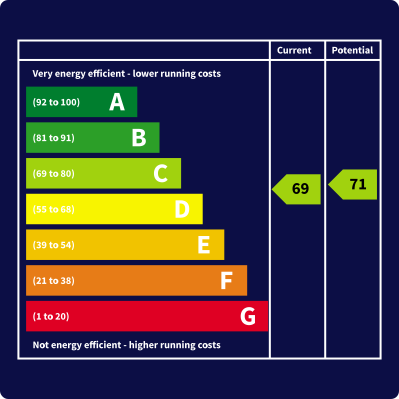
EPC documents provide information about the energy efficiency of a building. It typically includes:
- A rating from A (most efficient) to G (least efficient)
- A detailed report showing how energy is used across the property, including heating, lighting, and hot water
- Recommendations for improvements to make the property more energy-efficient and help reduce costs
- A colour coded graph highlighting the energy rating
You’ve probably seen an EPC certificate at some point, especially if you’ve bought or rented a property.

Energy Performance Certificates: What landlords need to know
Interested in learning more about EPCs in general? Our guide has you covered.
Understanding the new energy efficiency regulations for landlords
UK rental properties face stricter energy efficiency standards, with future rules aligned to the government’s net-zero goals.
For landlords, especially with older or multi-unit properties, this may mean investing in upgrades like better insulation, new heating systems, or renewable energy solutions.
Changes to energy efficiency regulations for 2026
The consultation on improving energy standards in private rented homes in England and Wales was published on 7 February 2025 and closed on 2 May 2025. Its goal was to amend the 2015 PRS Regulations, introducing higher minimum energy efficiency standards based on feedback from a 2020 consultation.
The main proposal focused on increasing the minimum EPC rating for privately rented homes. You can read the full document here.
Overview of the EPC “C” requirement for rental properties
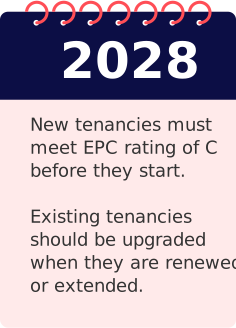
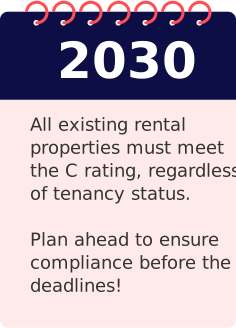
As of January 2026, the government confirmed that the minimum EPC rating for rented properties in England and Wales will rise to “C”. This change aims to lower tenants’ energy bills, improve energy efficiency, and support the UK’s climate targets.
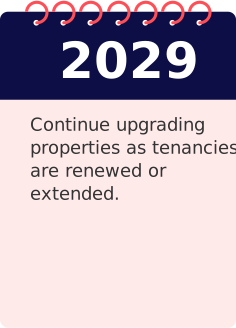
Key dates for landlords
How the changes affect landlords and tenants
Landlords
- You’ll need to ensure your property meets the new EPC standard, which may involve making upgrades and improvements.
- When it comes to meeting the new regulations, the government estimates that landlords will need to spend around £6,000 to £7,000 on upgrades to their rental properties.
- Failing to comply with the new EPC requirements could in penalties or restrictions on your ability to rent out the property.
Tenants
- As properties become more energy-efficient, tenants are likely to see lower energy bills.
- Better quality of homes with improved heating and insulation.
- Due to the upgrades landlords will need to make, there may be a slight rent increase in some cases.
Planning energy-efficient upgrades to your rental property
It’s likely you’ll need to make upgrades and changes to your property to achieve a “C” grade in energy efficiency. These may include:
- Improving insulation
- Replacing windows and doors
- Upgrading or installing new hot water systems
- Switching to LED lighting
- Sealing gaps and drafty areas
- Considering renewable energy options
Assessing your current property rating
If you don’t already know your EPC rating, it’s important to find out. Not sure how? Our simple step-by-step guide has you covered:



If you don’t have an EPC rating or want a more detailed assessment, it’s a good idea to hire an energy assessor or surveyor.
Prioritising cost-effective improvements
When upgrading your property’s energy efficiency, focus on low-cost, high-impact solutions. Simple fixes like sealing gaps around doors and windows or adding extra insulation in colder areas can significantly improve your EPC rating!
Budgeting and financing energy efficiency works
Upgrading your property requires careful planning and budgeting. First things first, make a list of the needed improvements and estimate the associated costs. From there, look into funding options such as available grants or schemes.
Having a clear budget plan helps you manage costs and stay on top of upcoming expenses. This allows you to plan your work strategically, doing what’s needed, when it’s needed.
Managing risk and insurance considerations
Protecting your property during retrofit works
As a landlord, ensuring your property and tenants are safe is a top priority. When carrying out property improvements, you have a responsibility to secure the property and ongoing work. This helps prevent accidents and damage, keeping everyone safe during the process.
Insurance implications of upgrades
Whenever you make changes to your property, it’s important to review your insurance policy. Upgrades might affect your cover, so you may need to update your policy accordingly. Keep detailed records of all work done to support your insurance and ensure your property remains fully protected.
Liability and compliance Risks
Make sure all work complies with current regulations to avoid legal issues. Proper planning and adherence to rules can help protect you from liability during and after the upgrades.
Communicating energy efficiency upgrades with your tenants
Informing tenants about planned works
Good communication is essential for building strong relationships with your tenants. Be sure to give them plenty of notice about upcoming work so they have time to and make any necessary adjustments. Providing clear, timely updates helps ensure the process runs smoothly for everyone. To keep disruption to a limit, aim to complete tasks quickly and efficiently, keeping inconvenience to a minimum.
Highlighting benefits to attract or retain tenants.
Energy efficiency in a property is appealing to tenants because it can help save them money on energy bills and reduce their carbon footprint. So, be sure to show off these benefits when attracting new tenants or even encouraging current ones to stay!
Resources for landlords
Gov.uk provides detailed advice on EPC requirements, recommended upgrades, as well as your legal obligations. They also offer tools to assess your property’s current EPC rating and to help plan improvements.
Your local council, energy providers and the gov.uk website often provide grants and schemes to help fund these types of upgrades, so it’s worth checking them out.
Linking compliance to property value and letting success
Meeting energy efficiency standards is not only legally compliant, but it’s also a good way to boost your property’s value. A well maintained, energy-efficient property helps attract quality tenants, potentially leading to faster, more successful lettings.
Protect the future of your property with AXA
Being a good landlord is about more than collecting the rent. It’s about protecting your investment too. Protect your property today and Future You will thank you.
All links are checked and valid at time of publishing, 07 May 2026.