Car tax. Road tax. Vehicle excise duty. Whatever you call it, we all have to pay to keep our cars on the road.
How much tax you’ll pay depends on your car, when it was registered, and its emission levels. You’ll need to keep your car taxed each year. To do this, pay online, over the phone or at a Post Office. If you don’t, you could end up with a hefty fine – or even lose your car insurance cover.
- How does car tax work?
- How is car tax calculated?
- How do I check when my car was first registered?
- How much car tax will I pay?
- How do I check if my car’s taxed?
- Who’s exempt from paying car tax?
- Where can I make a car tax payment?
- What happens if I drive without tax?
- How do I cancel my road tax?
How does car tax work?
Car tax applies to any vehicle kept and/or driven on public roads. The money collected by the tax is used by the government to pay for public services.
If you’re buying a brand-new car, your first-year rate will be calculated based on CO2 emissions. Then, after your first year of driving, you can expect to pay a standard rate of road tax.
If your new car costs over £40,000 you’ll pay an extra fee of £425 a year.
How is car tax calculated?
Are you looking to upgrade your motor? When browsing new cars, it’s worth knowing how much tax you’ll need to pay on it This is largely based on the car’s carbon dioxide emissions and its date of first registration.
How do I check when my car was first registered?
As road tax rates vary based on the date of first registration with the DVLA, you may want to check when your car was first registered on gov.uk. You can see when your MOT will expire on their site too.
While your car may have changed owners since its registration, the car’s first registration date remains the same.
How much car tax will I pay?
This will depend on when your car was first registered, and how much CO2 it emits when you drive it. A brand new, zero emissions car could cost you as little as £10 to tax for the first year, while older, more polluting cars could cost you over £700.
You can check the tax rate tables on gov.uk to see how much you’ll pay for your car.
How do I check if my car's taxed?
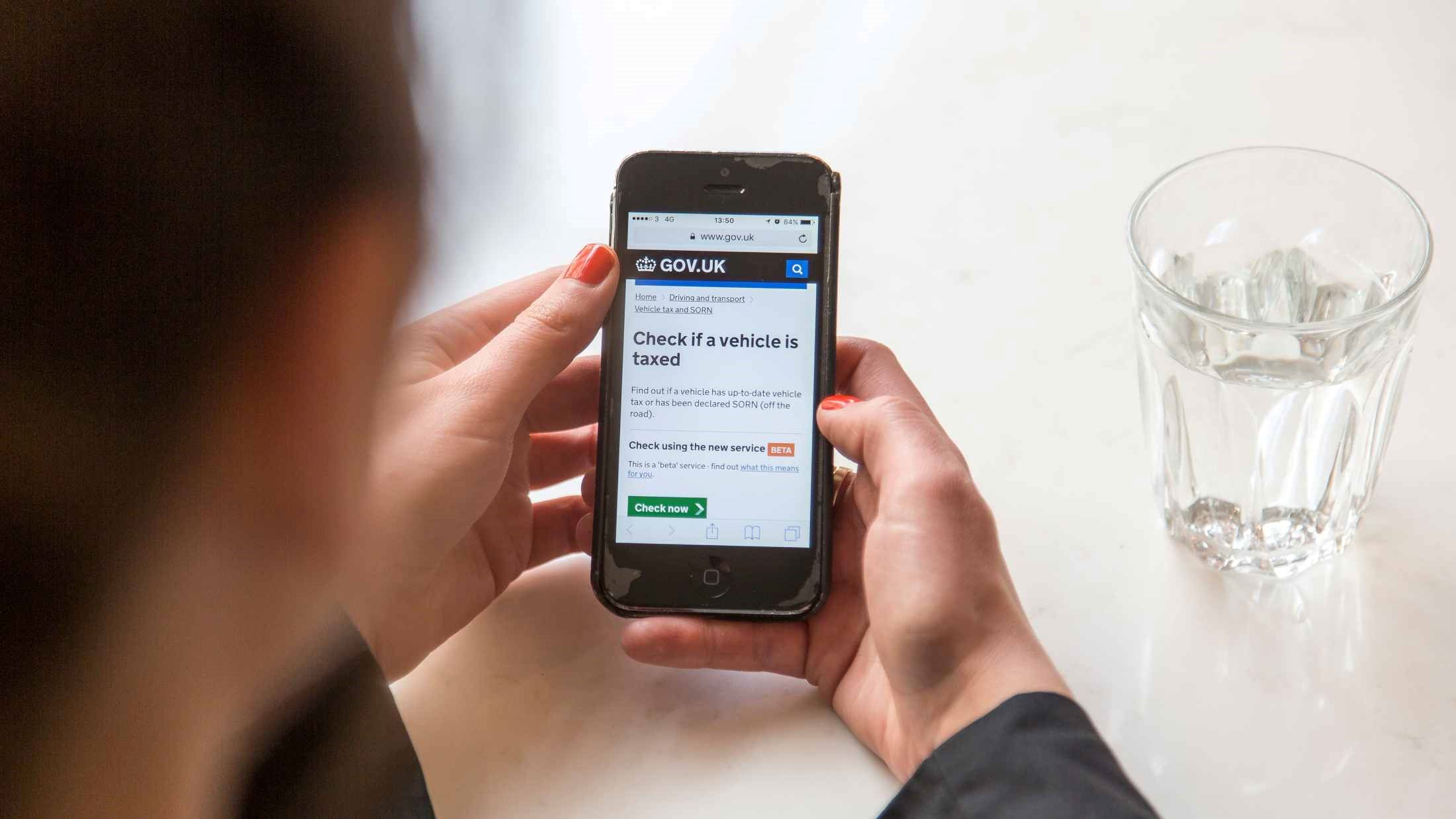
Wondering if you’re taxed and insured? You can check your car’s tax and MOT status on gov.uk. All you’ll need is your vehicle’s registration number from your number plate. The site will tell you when you next need to pay vehicle tax and give you an idea of your vehicle’s emissions.
Who's exempt from paying car tax?
You may be able to get a car tax exemption if you:
- have a disability, or
- drive a car which is over 40 years old (an 'historic vehicle')
If this applies to you, you can apply for tax free car status using your car’s registration document, a valid MOT, and proof of car insurance.
Where can I make a car tax payment?
You can pay road tax online every month, every six months or yearly (via annual Direct Debit). When you’re working out how much your car tax payments will be, keep in mind the 5% surcharge for paying every month or every six months.
You can pay your car tax online at gov.uk, over the phone with the DVLA, or at a Post Office.
What happens if I drive without tax?
If you don’t pay your car tax, you can be fined £80 - but this can be halved if you pay within 33 days. If you don’t pay the fine, it can build up to £1,000 and you could be asked to pay court fees too.
Driving without car tax can result in a fixed penalty notice of £1,000 if the police stop you and you haven’t paid.
If you’ve been driving without tax in a larger vehicle (like an HGV), you might also be taken to court.
If you’re an AXA car insurance customer, your policy won't be valid if you haven’t paid the appropriate vehicle tax. This means if you’re involved in an accident, we wouldn’t cover you in the way you might expect. Please check your policy wording in your online account for more information.
How do I cancel my road tax?
Taken your car off the road for good? If you're keeping your car in a garage or on private land, you can provide the DVLA with a Statutory Off Road Notification (abbr title="Statutory Off Road Notification">SORN). Make sure to do this when you cancel your car tax, or your vehicle’s previous rates will still apply.
To cancel your vehicle tax with the DVLA, you’ll need either:
- The 11-digit code from your vehicle log book (V5C).
- The 16-digit code from your vehicle tax reminder letter. If you go for this option, you can only use this code once.
Looking for car insurance now that your vehicle is road tax ready? Here at AXA, we can find the right cover for you so you can drive with peace of mind.


