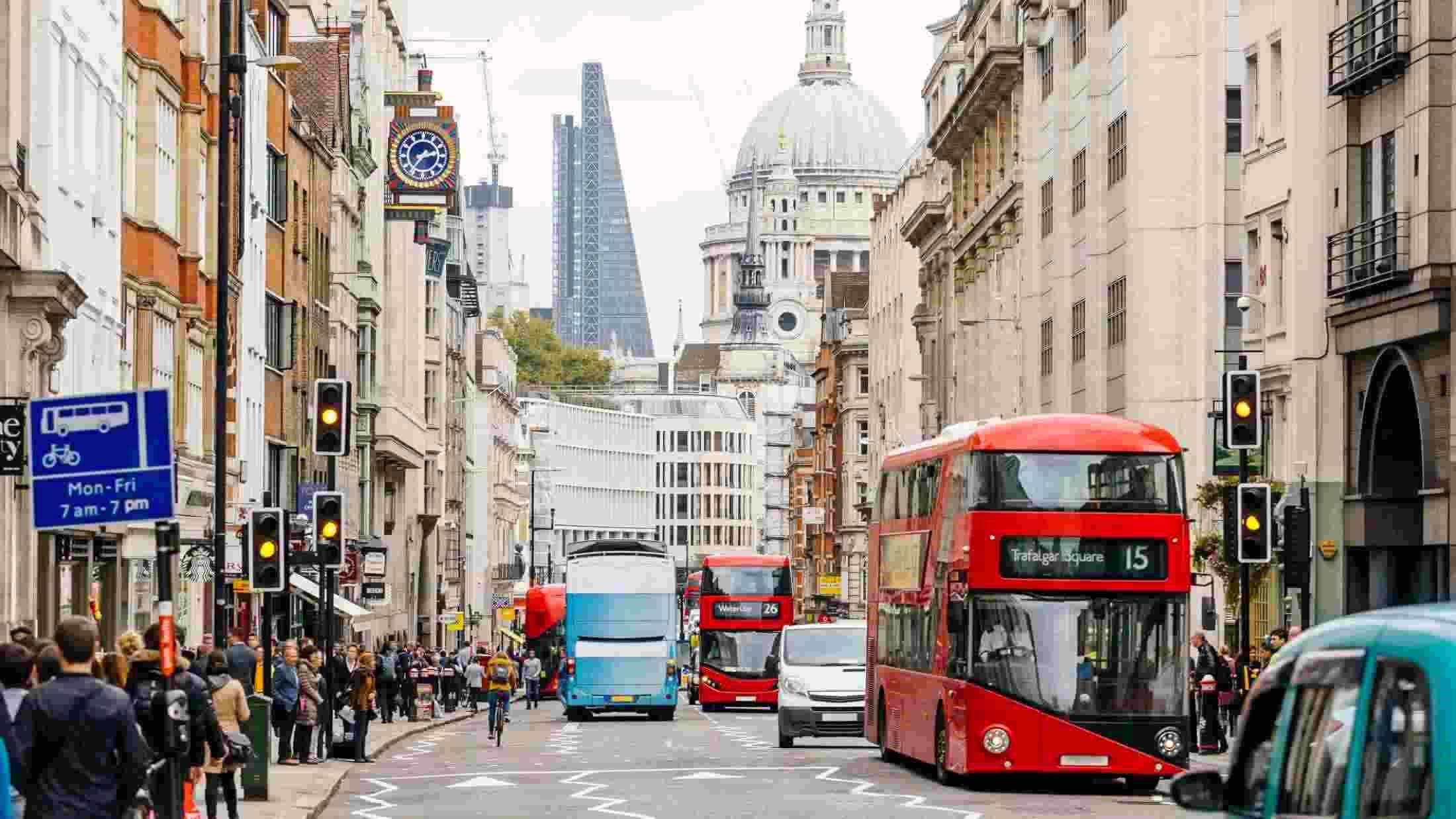
In February 2003, London introduced its Congestion Charge Zone for the city centre. It was to ease congestion and car emissions by charging vehicles for driving in the area.
Here are a few ways in which Clean Air Zones (CAZ) can affect motorists and how to get ready for future changes:
- The Ultra Low Emission Zone (ULEZ)
- What are Clean Air Zones?
- Is my car Ultra Low Emission Zone (ULEZ) compliant?
- Congestion Charge updates in 2026
- What can I do to lower my emissions?
- Happy environment, happy drivers
The Ultra Low Emission Zone (ULEZ)
The Ultra Low Emission Zone (ULEZ) was introduced in April 2019. This means a £12.50 charge for vehicles not in line with European standards would be applied. This is in addition to the daily £15 congestion charge.
The Ultra Low Emission Zone expanded even further on 29th August 2023. It will cover the area of Greater London. This will affect around 5 million more Londoners living in the zone. The £12.50 charge will apply only to non-compliant cars or vans driven within the zone. You can check your vehicle on the TFL website if you're not sure if your vehicle's compliant. Unsure if your area is included in the expanded zone? You can check your postcode here too.
What are Clean Air Zones (CAZ)?
Local authorities have placed restrictions on travel throughout more congested areas. This is to try and reduce car emissions and improve air quality. These are known as Clean Air Zones. When driving in a Clean Air Zone, vehicles shouldn't exceed set emission standards. If they do, drivers will be charged a fee, which is also set by local authorities. There are a few different types of Clean Air Zones. The zones are categorised into Class A, B, C, and D.
Class D covers the more common types of vehicles. It includes buses, taxis, vans, minibuses, cars, and motorbikes. However, this can vary between local authorities. Class A tends to be more lenient and only covers buses, taxis, and private hire vehicles.
Is my car Ultra Low Emission Zone (ULEZ) compliant?
To drive in a Clean Air Zone, your car must meet the European emission standards. This may not be something that comes up in everyday conversation, so we've detailed them below.
In 1993, standards were set to measure emissions. This is so we could understand the environmental impact of new vehicles. They range from Euro 1 to Euro 7.
Typically, a car must meet the standard of Euro 6 for diesel vehicles, or Euro 4 for petrol. You should check your local authorities if you’re unsure. You can find your vehicle's standard in your logbook or from the manufacturer. You'll also be able to find ULEZ car checkers online, too.
If your car doesn't meet the minimum emission standard, you could face charges. These also vary from council to council, ranging between £8 and £12.50. Not paying this charge could result in a penalty of over £100.
To avoid this, check your car emission standard. It doesn't take long and could save you some hassle. And if it's not compliant? You could consider trading your car in for a more environmentally-friendly vehicle.
Congestion Charge updates in 2026
- The Cleaner Vehicle Discount (CVD) has been extended. It was originally due to end on 25 December 2025, but the Mayor of London has decided to continue the incentive. This is to encourage drivers to switch to electric vehicles, as greener drivers pay less.
- The daily Congestion Charge will increase from £15 to £18 from January 2026.
- There will be a 50% discount for electric vans and HGVs that are registered for Auto Pay.
- There will be a 25% discount for electric cars, including private hire vehicles. The discount only applies to vehicles registered for Auto Pay.
- No new Clean Air Zones were introduced in 2025. To check if your area is in a CAZ, you can check the government website.
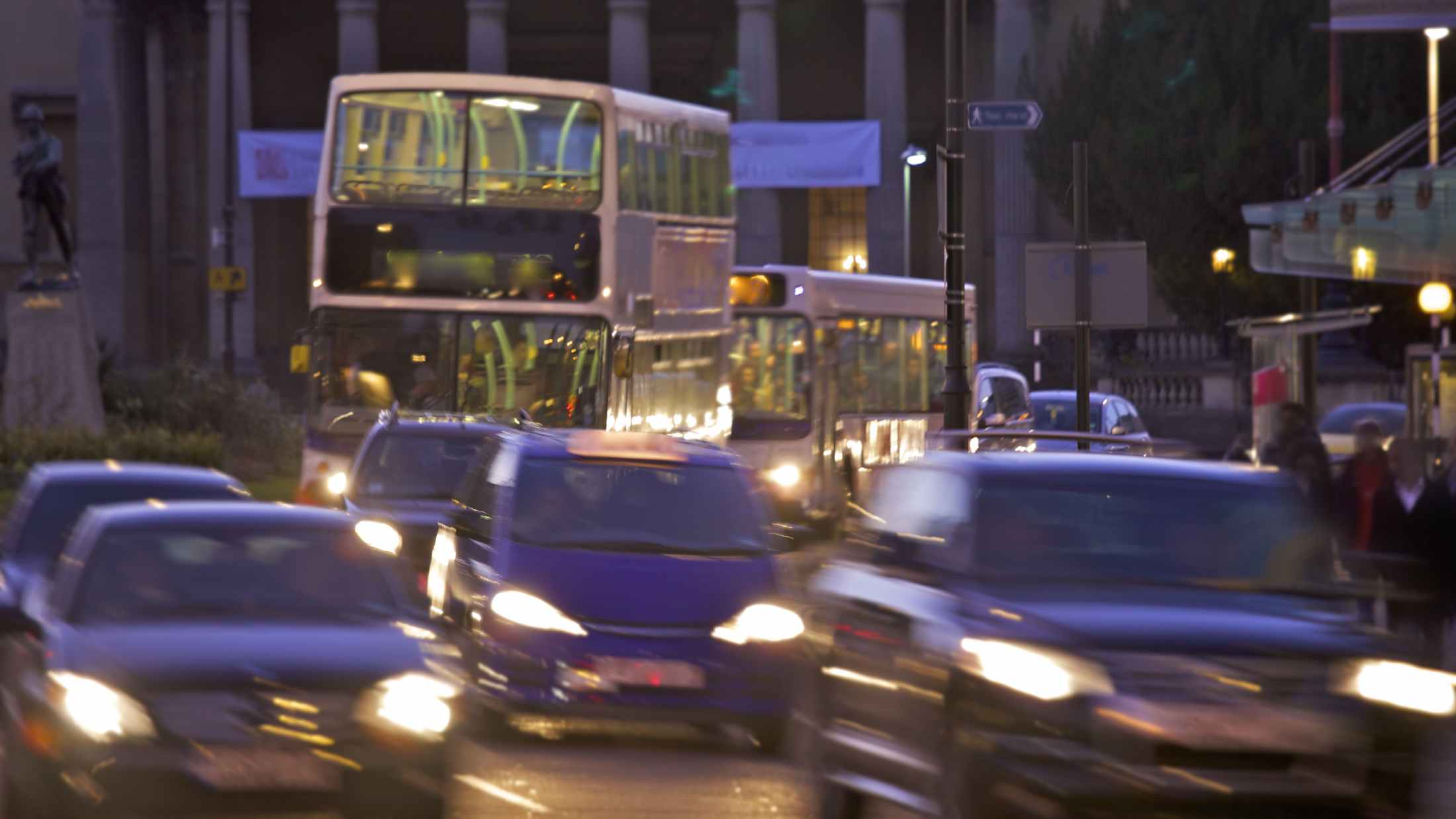
What can I do to lower my emissions?
Becoming more environmentally friendly is a smart move to make. Thankfully, there are several ways to achieve this.
Consider replacing your car with an electric or hybrid model. Not only do these cars have lower emissions, but they have high fuel efficiency too.
Buying a new, environmentally-friendly car may be an easy solution for some. However, not everyone can afford this luxury. Another way to lower emissions is to take public transport when possible. By taking the bus, train, or cycling to work, you'll be doing your part to lower emissions.
Happy environment, happy drivers
With more cities developing clean air zones, it makes sense to be prepared. Understanding what CAZ and ULEZ expect from you is the key to avoiding a charge.
Research CAZ or ULEZ maps for your local area and the times they're in operation. Plus, check what European emission standard your car is to avoid charges.
If your car isn't compliant with ULEZ rules, you can use public transport instead. Or this could be an opportunity to upgrade your car to an environmentally friendly model. While this is a significant commitment, it could save you money down the road.


