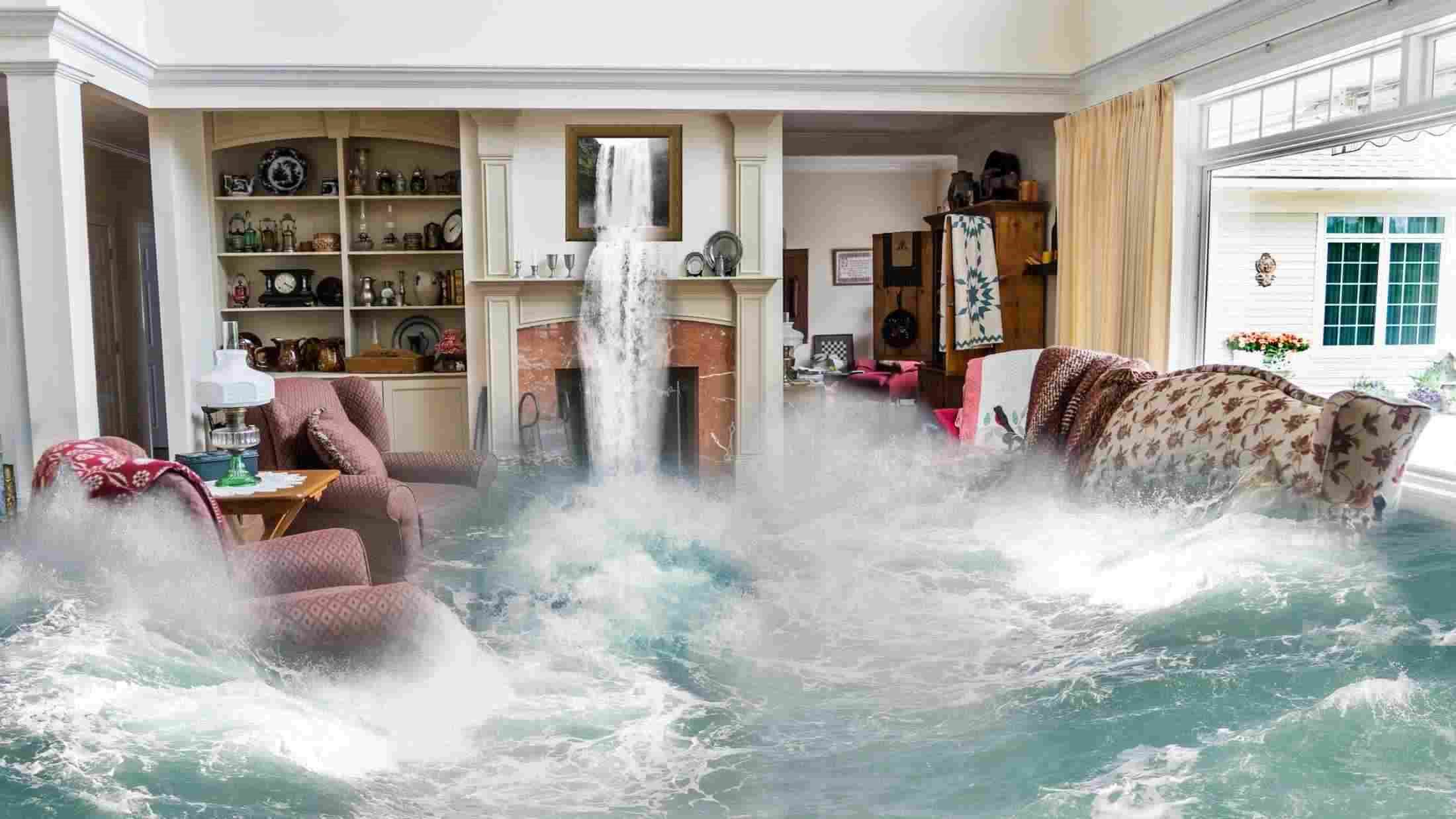
Around 5 million people live in flood risk areas in England and Wales1. And around 6.3 million properties in England are now at risk of flooding2.
As the weather gets wetter because of climate change, schemes like Flood Re, which help protect homes from floods, are more important than ever. But what exactly is it?
In this guide:
- What is Flood Re?
- Why is Flood Re important?
- Who can get a Flood Re policy?
- What is Build Back Better?
- How do I know if my home is at risk of flooding?
- What you can do if you live in a flood risk area?
What is Flood Re?
Flood Re is a not-for-profit programme designed to help people who live in flood risk areas to find affordable home insurance. It's a collaboration between the government and insurance companies, including AXA.
Flood Re has a central fund allowing insurers to re-insure high risk properties.
Why is Flood Re important?
People buy home insurance so they can repair damage, and replace possessions when something horrible affects them, like a flood. But with a record £585 million paid in weather-related damage in 20243, it's an expensive prospect for insurers.
Flood Re means insurance companies can offer cheaper policies to people who live in flood risk areas. The scheme also encourages builders to act responsibly by discouraging them from building new properties in high-risk areas.
Who can get a Flood Re policy?
To get a Flood Re backed policy, your home must’ve been built before 2009. It also must be a private home, not a business. For a full list of the criteria to be eligible, see Flood Re’s website.
What is Build Back Better?
Build Back Better is a scheme from Flood Re, which helps fund flood resilience adjustments to houses that have flooded. AXA joined the scheme in 2023, so we can better support customers at risk of repeat flooding.
Build Back Better can help pay up to £10,000 to raise electrical sockets, install flood resistant doors, put down waterproof tiling, and more. The idea being, the next time there’s flooding, less water will get in the home, and the water that does get it will do less damage.
The scheme can also help pay for flood risk surveys.
You can find out more about Build Back Better on Flood Re’s website.
How do I know if my home is at risk of flooding?
You don't necessarily need to live beside a river or the sea to be at risk of flood damage. Flash floods and surface water flooding can also cause damage to properties and will also be backed by Flood Re if you live in an eligible area.
If you're not sure, ask your insurer. Or you can use online tools like the government's long-term flood risk assessment page if you live in England, the Natural Resources flood risk map for Wales and the Scottish Environment Protection Agency's flood map for Scotland.
What can I do if I live in a flood risk area?
Flood claims can take a long time to resolve and can feel disruptive, emotionally and in terms of your day-to-day life. For example, it’s likely you’d have to be moved into temporary housing, often for periods longer than a year.
It's a good idea to try and stop floods from damaging your home in the first place. It'll also give you peace of mind and could help if you want to sell your property. Find out how to fortify your home against flood damage in our guide.
Bad, stormy weather and flooding tend to go hand in hand, so it's worth taking a look at our tips to protect your home from storm damage. We've also got some great advice for driving on flooded roads.
1 Flood Statistics - Reach and Rescue
2 FloodReady - an action plan to build the resilience of people and properties - GOV.UK


