Most windscreens will shrug off stone chips and hailstones. But they still need care to prevent cracks or scratches. As well as making it harder to see through, damage to your windscreen will affect the structural integrity of your car. This will make driving far riskier and may mean you’re breaking the law.
From de-icing tips, to when to replace your wipers, in this article, we’re looking at three key areas of car maintenance.
De-icing
Drivers will be familiar with scraping ice or snow off cars. Windscreens collect snow because they slope less than side windows. It’s essential to fully clear them before setting off.
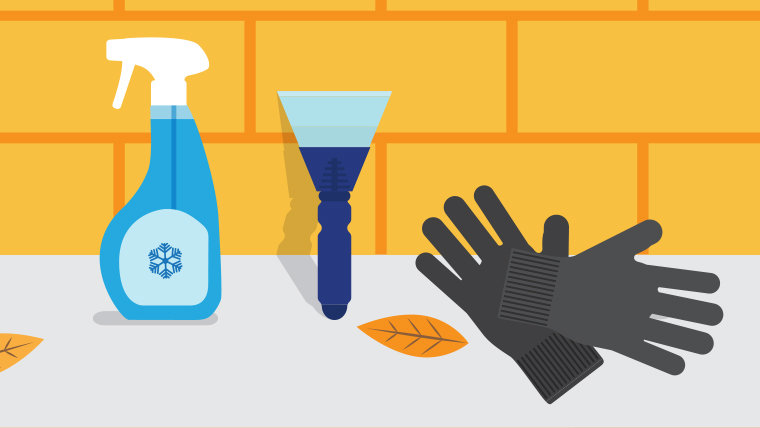
The quality of de-icer sprays can vary. Generally, plastic trigger bottles are safer, as the spray is more resistant to wind. Always spray de-icer before using a scraper so the chemicals can set to work. Avoid using a credit card to scrape off the ice. Their sharp edges can scratch the glass.
Try to wear gloves for comfort and never pour hot water onto an icy window. Rapid temperature changes may crack the glass.
Wipers
Windscreen wipers push water droplets off your windscreen. This causes wear and tear along the blade edges. Cracks caused by cold weather and scratches from dirt are common perils for wiper blades.
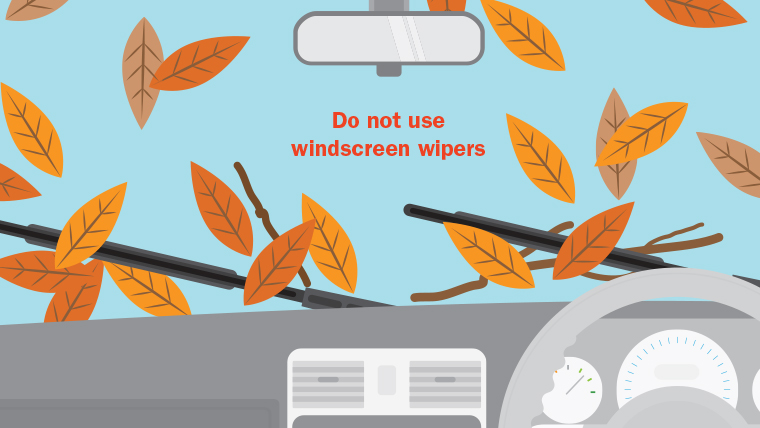
Wipers should be replaced once a year as part of regular vehicle maintenance. It’s also important not to prematurely damage the wipers by using them to sweep away hard debris. It’s best to lift the arms up so that the blade isn’t in direct contact with the windscreen.
Maintaining vision
A blocked windscreen is a safety risk and potentially a motoring offence. Having a clear view is essential for safe and responsible driving.
The windscreen washer should be used regularly, so keep the reservoir topped up. However, you should never use the spray in sub-zero temperatures. Frozen washer fluid may damage the pump or cause cracks in the jet nozzles.
Keep a pack of screen wipes in your glove box. They're ideal for removing condensation or dust inside the windscreen. This can help to reduce glare.
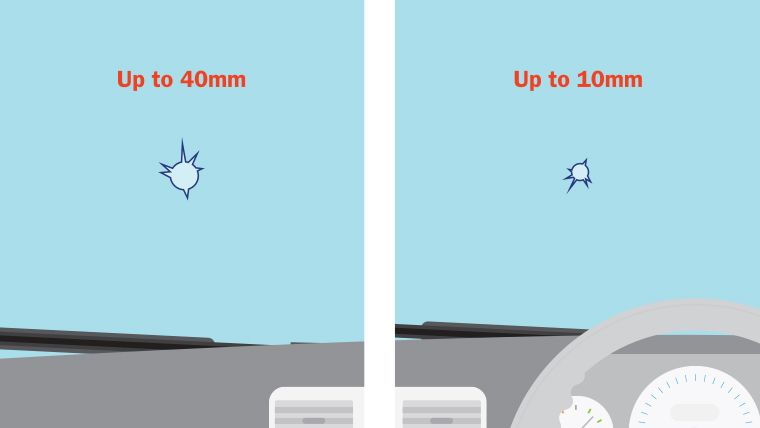
Finally, it's best to get small scratches and chips repaired before they become a bigger issue. These could be identified in an MOT. Any damage over 40mm in size (or 10mm if the damage is in the driver's direct line of vision) could result in a fail.