Japanese knotweed is an invasive, non-native plant. If it spreads, it can cause serious damage to your property. Here's a simple guide to help you spot it - and get rid of it.
It might sound dramatic, but Japanese knotweed is considered such a menace to buildings and local plants that the government says everyone must do their bit to control this weed. We’ve put together the guide to help you:
- What is knotweed?
- What does knotweed do?
- What do laws say about knotweed?
- How to get rid of Japanese knotweed
What is knotweed?
Japanese knotweed was brought to the UK from Japan in 1825. It was considered an attractive addition to the nation’s gardens. It’s an herbaceous perennial, which means its stems are succulent rather than woody, and that it dies back into the ground during cold weather before growing again in the spring.
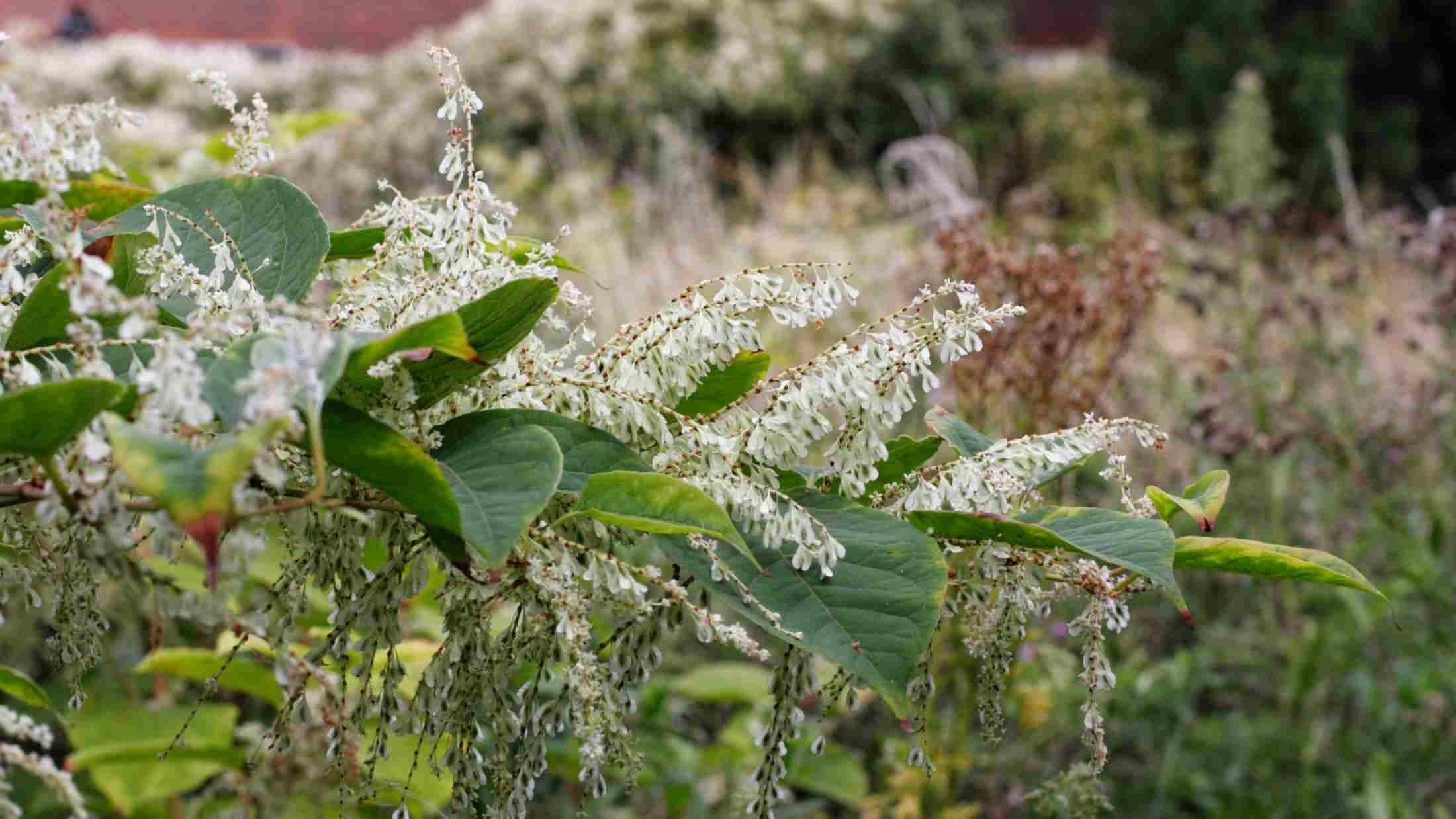
It has thick, bamboo-like shoots, broad green leaves and produces creamy-white flower tassels in late summer or early autumn.
You can recognise knotweed by these key features:
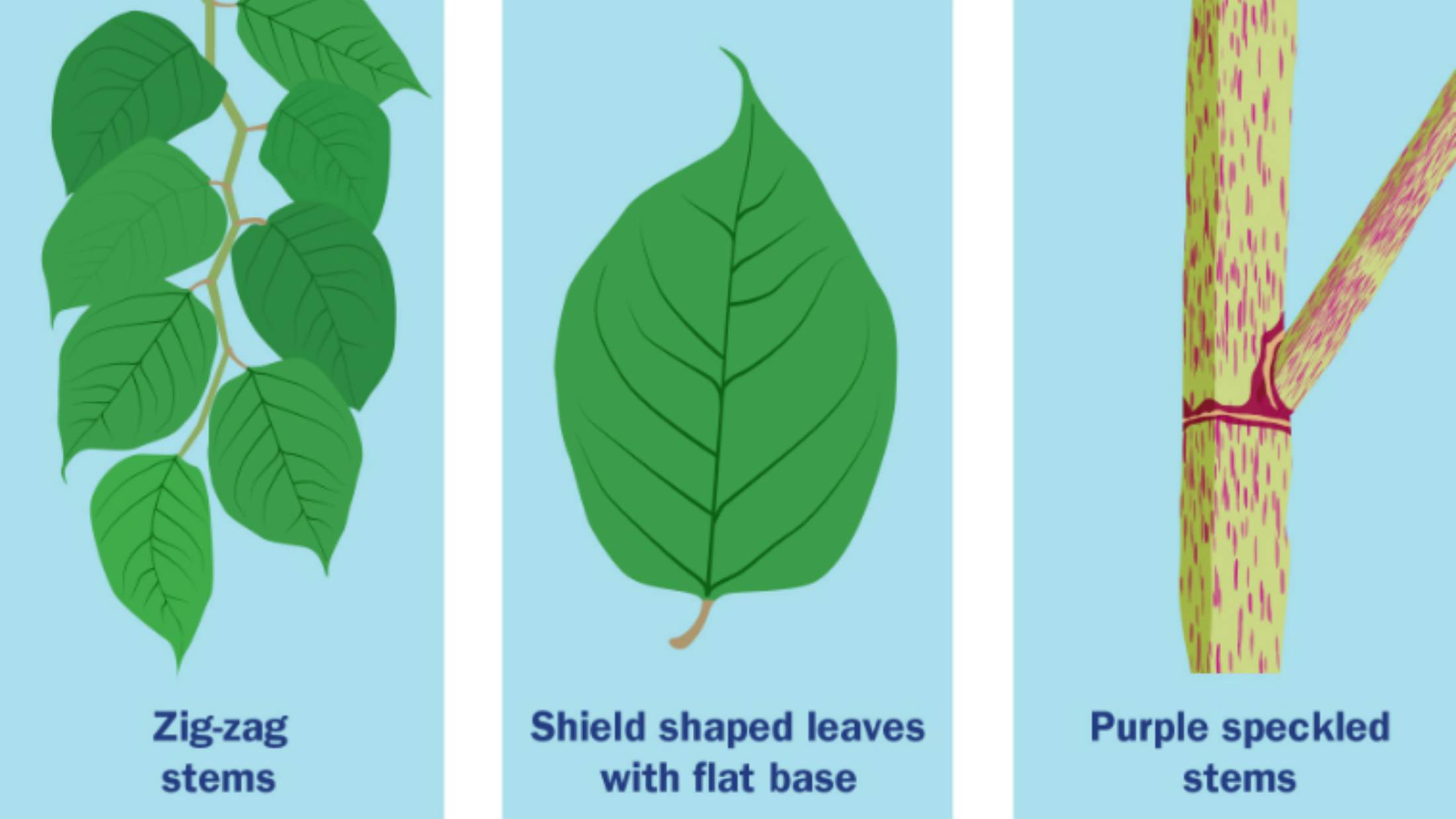
- Zig-zagging, purple-flecked stems with evenly spaced ridges called nodes where the leaves and branches grow.
- Large, shield-shaped green leaves that are 10-15cm (4-6 inches) long, with a flat base.
- Thick roots called rhizomes with an orange inside.
- Off-white flower tassels up to 15cm (6 inches) long.
What does knotweed do?
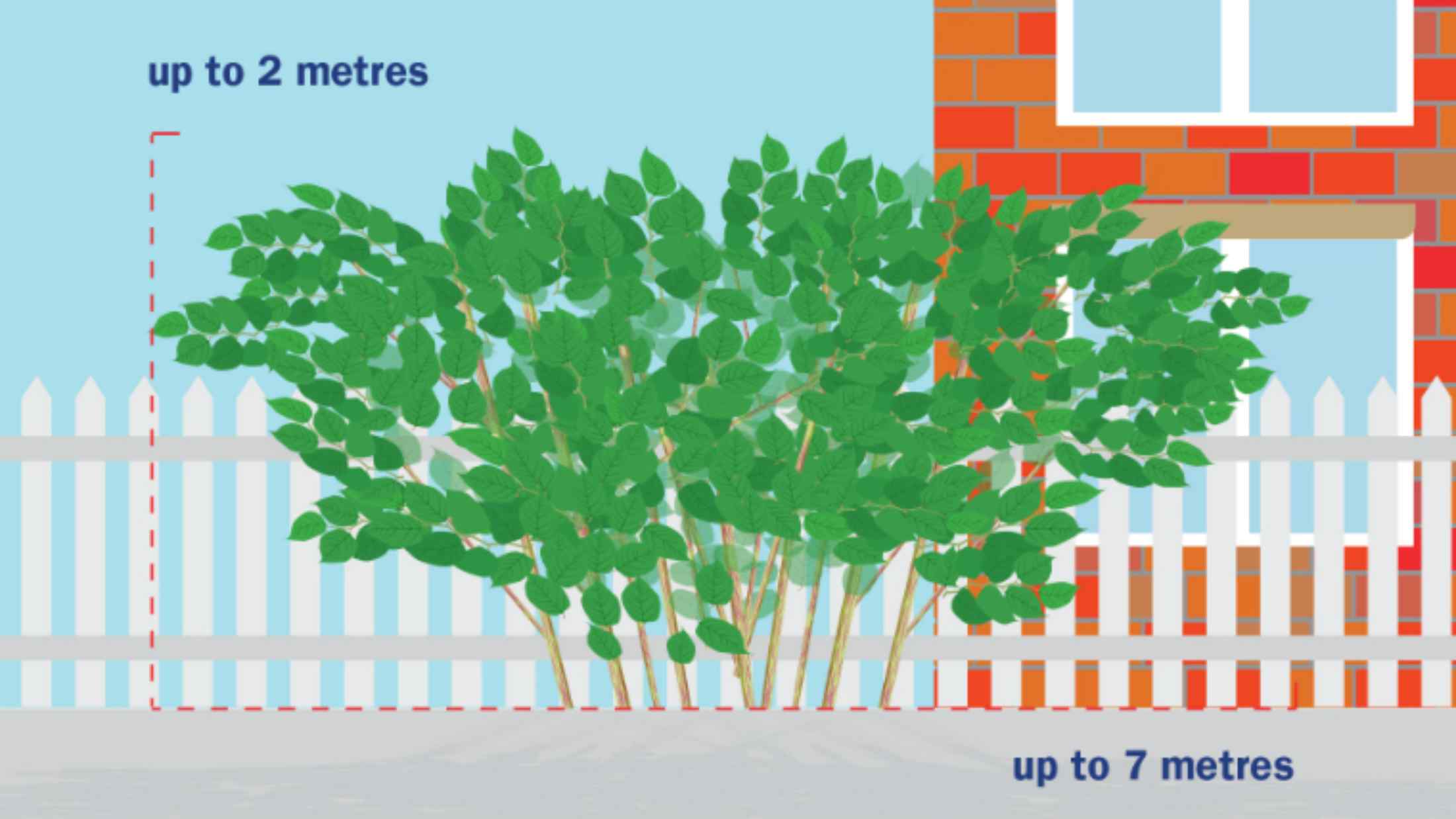
Knotweed is a pest because it’s very strong. It can grow through tarmac and even concrete. It spreads underground through its rhizomes, which can grow up to 7m (23ft) out, so it may compromise a building’s foundations. Many banks refuse to offer a mortgage if Japanese knotweed is found nearby and the value of your home might go down.
The plant also grows very fast. In spring, it can shoot up from nothing to more than 2.1m (7ft) – much taller than native plants. This makes it easy for knotweed to take over.
Getting rid of Japanese knotweed is tricky once it's settled. It can take three years of chemical treatment just to make a plant dormant. If you dig it up, there are strict rules about how to dispose of it. This is because a single, small piece of rhizome or node is enough for a new plant to take root.
What do laws say about knotweed?
It’s not illegal to have knotweed in your garden. But under the Wildlife and Countryside Act 1981 and the Anti-social Behaviour, Crime and Policing Act 2014, you mustn't plant it or let it grow in the wild.
You must be careful when moving and/or disposing of your soil and plant cuttings, because the plant can regrow from segments as small as 1cm. That’s why knotweed is classified as ‘controlled waste’ under the Environmental Protection Act 1990.
It’s a serious matter if you break these laws. You can be fined up £2,500 (companies can be fined up to £20,000), receive an anti-social behaviour order (ASBO) or in some cases, go to prison.
How to get rid of Japanese knotweed
Removing Japanese knotweed can be challenging because of its deep and extensive root system. Here are the main methods:
1. Manual removal (digging)
Digging up Japanese knotweed is possible but does take years. Here are the steps to manually remove knotweed:
- Dig up the plant carefully.
- Remove every piece of root and stem.
- Properly dispose of all plant material:
- Take it to a licensed landfill or registered waste carrier, or
- Dry out and burn all parts–making sure it’s completely burnt–with no green or wet bits. Then, bury the ashes.
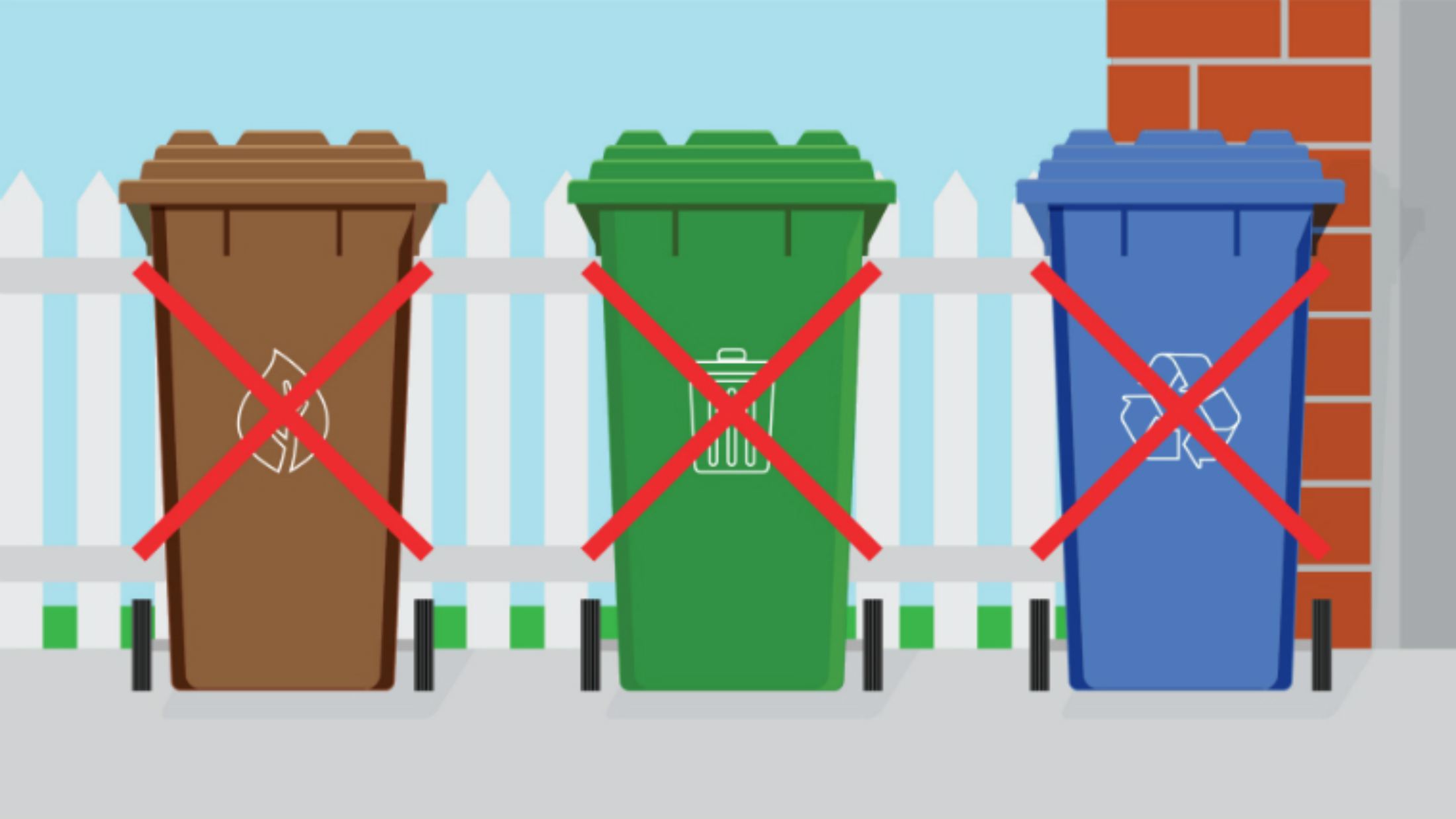
Never put knotweed in household or garden waste bins – this is illegal.
2. Hire professionals
Bring in specialists who have experience in removing Japanese knotweed so they can get rid of it safely and effectively.
3. Chemical treatments
This usually takes 2-3 years.
If you want to treat it yourself the Royal Horticultural Society (RHS) recommends:
- A glyphosate-based weedkiller.
- Spray it onto leaves or the cut stems each summer.
- Continue until the plant dies back.
If you seek professional help, there are experts who can apply stronger chemicals, but multiple treatments are still necessary.
4. Biological control
It’s possible to use insects called psyllids to naturally control knotweed. They use this method successfully in Japan.
While some psyllids have been released in the UK, they’re still being monitored and aren’t yet widely available to gardeners.
It’s always wise to follow local regulations and guidelines and if you get persistent infestations, it’s best to consult a professional.